
Let's start by destroying the myth
There is no standard timeline. If someone told you a lemon vibrator should get you there in 3 minutes or 15 minutes or 45 minutes, they were guessing. Orgasm timing is wildly individual, shaped by everything from your nervous system to what you ate that morning to whether you're thinking about a work email.
What I can tell you is this: with a clitoral vibrator like a lemon sucker device, most people find their baseline is somewhere between 5 and 20 minutes when conditions are right. But conditions are almost never all right at once.
What actually controls your speed
Think of orgasm timing like cooking a dish. The recipe is the same, but the time depends on your stove, your ingredients, and what you did before you started cooking.
Here are the variables that matter most:
Arousal baseline. This is the biggest one. If you start with zero warm-up, you're asking your body to go from cold to orgasm in minutes. Most people need 10-15 minutes of mental and physical build-up before stimulation even starts to register. That's not slow. That's normal. The confusion comes from porn, which either edits out build-up or features people who've already been aroused off-camera.
Stress and attention. Your brain is either feeding arousal or blocking it. If you're thinking about deadlines or your partner's breathing or whether you're taking too long, your nervous system is working against you. The people who report the fastest times usually aren't trying to be fast. They're absorbed.
Cycle timing. If you menstruate, your baseline varies across your cycle. You're faster to arousal around ovulation (higher testosterone) and slower in the luteal phase. Same person, same vibrator, completely different timeline.
Previous sessions. If you came yesterday, your sensitivity might be lower today. If it's been weeks, you might be more responsive. There's no rule here except that your body remembers.
Physical state. Fatigue, dehydration, caffeine, blood sugar, and medication all shift how fast your body responds. A person who's well-rested and hydrated will almost always orgasm faster than their tired, stressed version.
Sensation tolerance. Some people can go straight to high intensity on their lemon vibrator and build quickly. Others need to start at pattern 1 and gradually increase. The gentle approach actually works faster for most people because you're not fighting sensation overload.
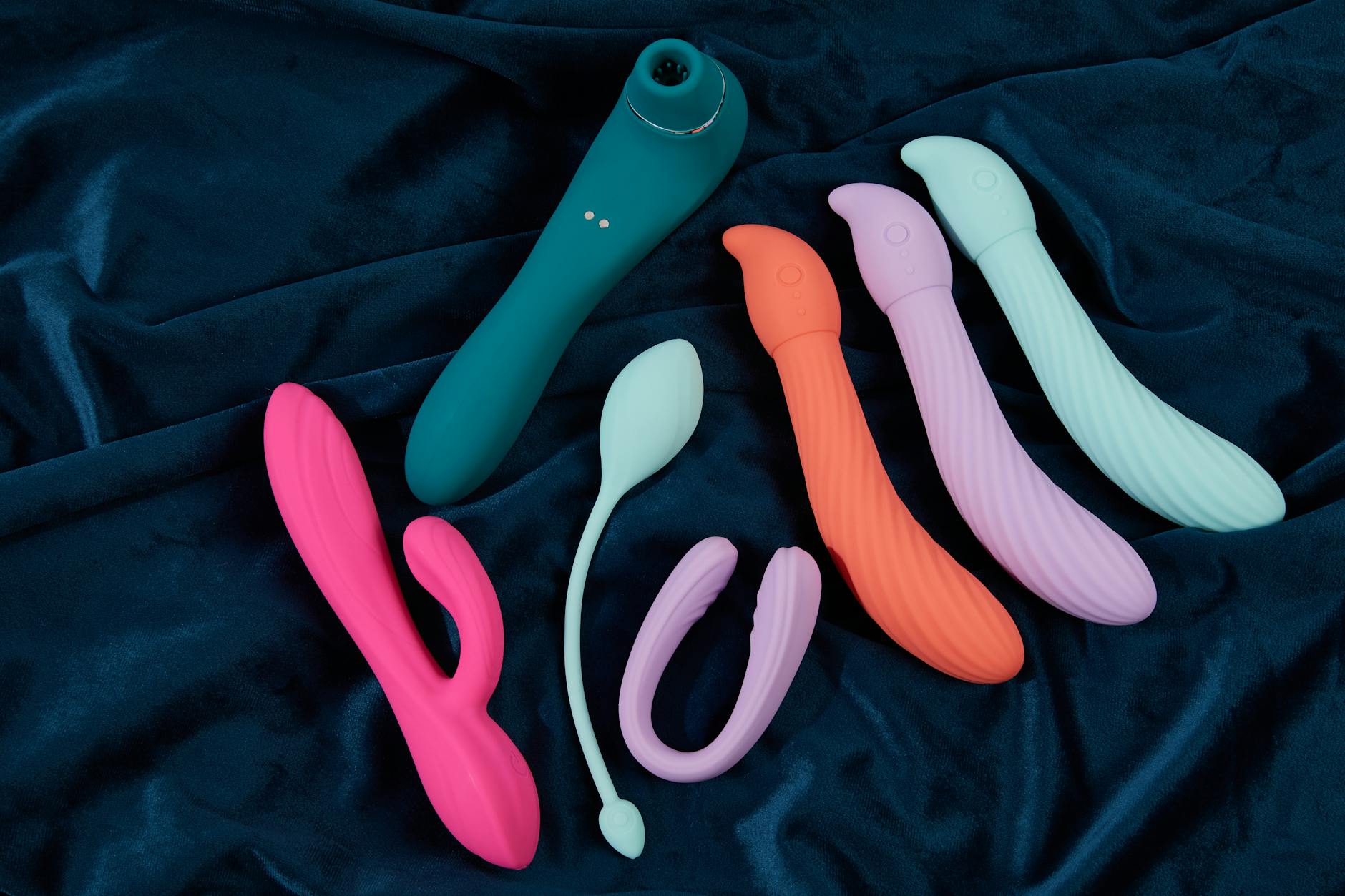
Photo by IFONNX Toys on Pexels
The clock is the enemy
Here's what I see happen constantly: someone uses their lemon clitoral vibrator, hits 8 minutes, and thinks something's wrong. They speed up the pattern. They press harder. They switch techniques. In doing that, they break the arousal that was building and reset the timer to zero.
Orgasm doesn't work on intention. It works on consistency. Your body needs a steady, sustainable rhythm to climb toward release. The moment you change that rhythm because you're impatient, you're asking your nervous system to start over.
I tell my clients: set a loose estimate in your head (maybe 15-20 minutes), and then forget about time. You can check in after, not during.
How to actually speed things up (without rushing)
If you genuinely want faster orgasms, the answer isn't press harder. It's improve the conditions.
Start earlier. Spend 10-15 minutes on non-genital arousal before you even touch your lemon vibrator to your body. This could be fantasy, erotic content, touching your own body, whatever builds heat for you. Your vibrator then finishes the job instead of doing all the work.
Warm up with pattern changes. Instead of starting at your favorite intensity, begin at a low pattern and let arousal build. Increase intensity or switch to a more intense pattern every 2-3 minutes as you warm up. Your body gets there faster when it's ramping gradually, not shocked at maximum.
Stop if you lose focus. If you're clock-watching at 6 minutes and getting frustrated, pause. Take a breath. Reset your attention. Forcing an orgasm that's not building naturally is more exhausting than just stopping and trying again later.
Track your own baseline. Over 3-4 solo sessions, notice what your actual timeline is under good conditions. Not your fantasy timeline. Your real one. Then use that as your baseline, and watch how variations land against it. Are you consistently faster on days you slept well? After you've exercised? When you start with longer warm-up? This is how you start understanding your body.
Why a lemon vibrator changes the equation
Clitoral suction and pulsation patterns work differently than traditional vibration. They stimulate the nerve endings in a way that can feel less intense but often builds faster because there's no fatigue or numbness. Many people report reaching orgasm in 8-12 minutes with a lemon sucker device, whereas they might take 15-25 minutes with other clitoral vibrators.
That said, "faster" isn't the point. A lemon vibrator should feel better, feel more accurate, feel more like what your body actually responds to. If it takes you 30 minutes but the orgasm is richer, that's a win.
Also worth knowing: some people find that switching to a lemon vibrator after using traditional vibrators actually slows them down initially. You're relearning what sensation you prefer. That's normal. Give yourself 5-6 sessions before you decide if the timing works for you.
The partner dynamic (when there's an audience)
If you're using a lemon clitoral vibrator with a partner present, your timeline almost always changes. Not necessarily slower. Different. Some people feel performance pressure and tense up (slower). Others feel more aroused (faster). The key is separating your actual experience from your perception of their experience.
Tell your partner: "I need you to not ask if I'm close, not watch the clock, and not offer advice unless I ask." Seriously. Most delays in partnered situations come from someone trying to help or manage the process. The fastest orgasms happen when the stimulated person is completely absorbed and the partner is just... present.
If you're concerned about timing in your relationship, that's worth a separate conversation that has nothing to do with the vibrator. Check out our piece on using lemon vibrators for couples if you want to explore that more.
When slow actually signals a real issue
If you've always been able to orgasm but suddenly can't reach it in 30+ minutes with full arousal and good conditions, that's worth checking in with a doctor or sex therapist about. Could be hormonal shifts, medication side effects, stress, or relationship friction. Could be nothing. But consistent changes in your baseline deserve attention.
If you've never been able to orgasm with a partner or with a lemon vibrator, that's also worth professional support. Not because something's wrong with you. Because the path to pleasure is individual, and sometimes you need someone outside your head to help map it.
FAQ
How long should it take to orgasm with a clitoral vibrator for the first time?
There's no "should." First-time users often take longer because your body is learning new sensation. 15-25 minutes is common, especially if you're nervous. Some people take 3-4 sessions before orgasm happens at all. This doesn't mean the vibrator doesn't work for you. It means your nervous system is still figuring it out. Keep the pressure low and the expectations lower.
Can a lemon vibrator make you orgasm faster than manual stimulation?
For many people, yes. The pattern and intensity consistency of a lemon sucker device can help you reach orgasm faster than your hand can replicate. But that assumes you're using the right pattern for your body. If you're using a pattern that doesn't match your preferences, you might be slower. Experiment with all the available patterns before deciding.
Why do I orgasm quickly sometimes and not at all other times with the same vibrator?
Because you're a human, not a machine. Your arousal baseline shifts with sleep, stress, hormones, food, hydration, and what's happening in your relationship. A 5-minute orgasm one day and a no-go the next day doesn't mean something's broken. It means your conditions changed. Notice the patterns and work with them instead of against them.
Is it normal to take 30+ minutes to orgasm with a clitoral vibrator?
Completely normal. Some bodies need more time, more warm-up, or a specific rhythm. If you're reaching orgasm consistently at 30 minutes with full arousal, that's your baseline. Not slow. Yours. The question isn't whether 30 minutes is normal. It's whether you're satisfied with the experience. If you're not, that's worth exploring with a therapist or doctor.
Should I be able to orgasm faster with my lemon vibrator than with my partner?
Usually, yes. You know exactly what you like, there's no performance pressure, and your nervous system isn't managing anyone else's experience. But some people orgasm faster with a partner for emotional reasons. Both are normal. The comparison itself is usually the problem. Your solo timeline and your partnered timeline can be completely different and both be fine.
What if my partner can orgasm with a clitoral vibrator in 5 minutes but I take 20? Does that mean something's wrong with me?
No. It means you have different nervous systems, different arousal patterns, and possibly different prior experiences with vibrators. Sexual variation is not a spectrum with fast on one end and slow on the other. It's just... different. The problem starts when you internalize the difference as a problem. It isn't.