Let's be real about this
When erectile difficulties show up, couples usually respond in one of two ways. Either sex stops happening entirely, or it becomes this tense, performance-focused thing where everyone's in their head. Neither is actually about pleasure anymore. Both are about managing a problem.
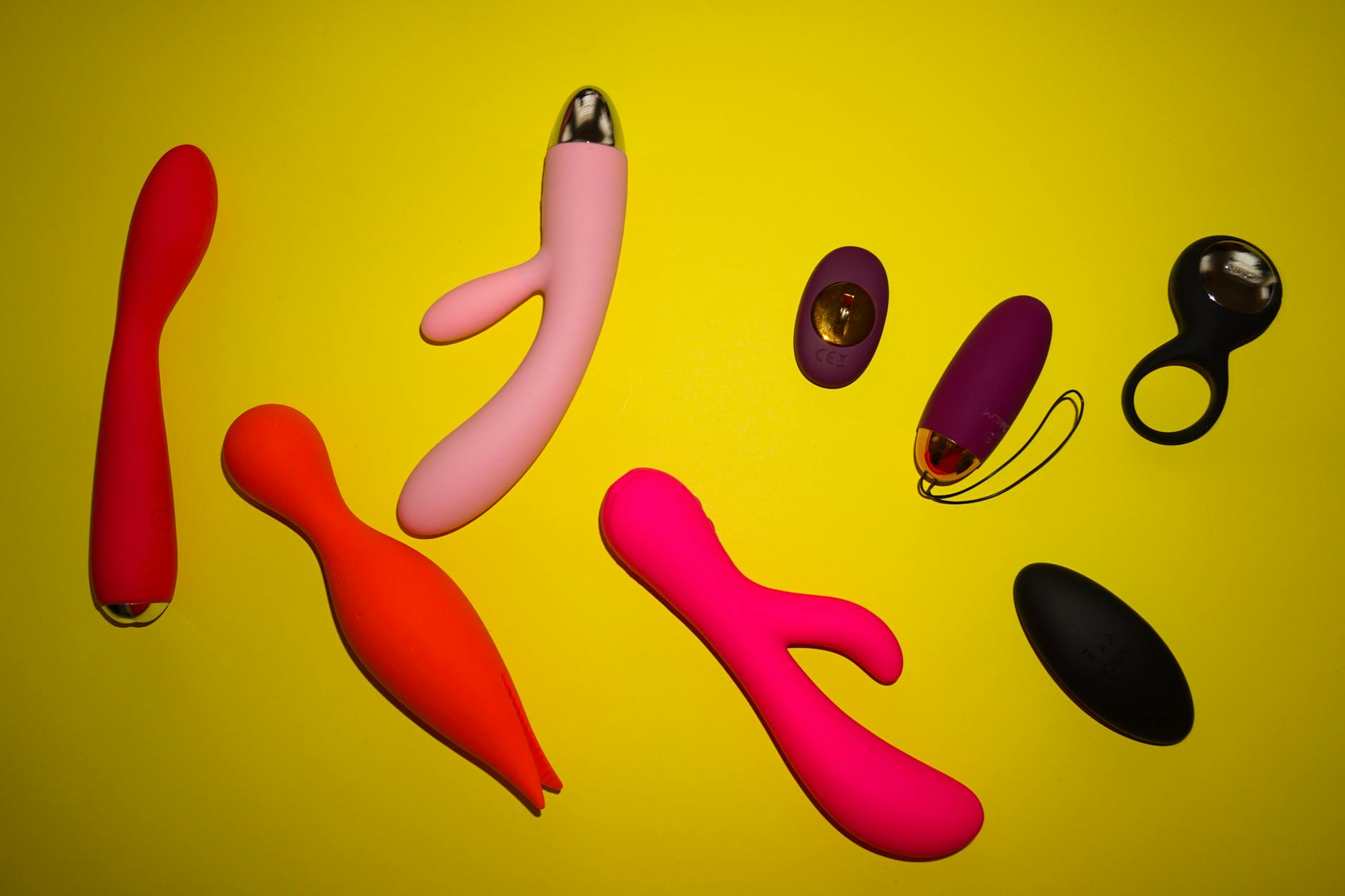
Here's what I've learned working with couples through this: a clitoral vibrator like those from My Lemon Sucker can actually be the thing that shifts the whole conversation. Not because it "fixes" anything, but because it removes the pressure and redirects the energy toward what actually works. Your pleasure stops being contingent on your partner's body cooperating on a specific schedule. That's genuinely transformative.
Why erectile difficulties change the pleasure equation
Erectile challenges are incredibly common. Studies suggest somewhere between 40% and 60% of men experience some form of ED at some point, depending on age and health factors. The reason most couples get stuck isn't the physical difficulty itself. It's the shame spiral that follows.
When he can't get or keep an erection, the automatic response is often panic and withdrawal. When you sense that panic, you get quiet too. Sex stops. Then months pass. Then the idea of sex becomes even more fraught because there's all this new weight on it.
A clitoral vibrator breaks that freeze. It's not a workaround. It's an actual, direct path to your pleasure that doesn't require his body to perform in a specific way. For a lot of couples I work with, that permission is everything.
The permission shift that matters most
Listen. If you've been in a long-term relationship where penetrative sex has been the default, your body has probably learned to wait. To warm up on someone else's timeline. To organize pleasure around his arousal curve.
Using a lemon vibrator when your partner has erectile difficulties is about unlearning that. It's about your body getting to feel something directly, immediately, and separate from his. Some partners find that incredibly sexy. Others find it takes the pressure off and makes them more attracted to you because you're not white-knuckling through sex.
Both are valid outcomes. The point is that his difficulty stops being the master narrative of the encounter.
How to introduce a clitoral vibrator into partnered sex
If you've never used one together, here's the most practical framework:
Start with honesty, not the vibrator. Tell him before you're in bed that you want to explore this together. Not as a criticism of his body or his effort, but as a way to make sure you're both getting what you need. Frame it as collaboration, not compensation. "I'd like us to try something that helps me feel really good" lands different than "We need this because you can't."
Choose a moment when you're both relaxed. Not when he's already anxious about performance. Not in the dark under pressure. Maybe on a weekend morning or an afternoon when there's no clock. Nerves are contagious, and he's probably already nervous about his body.
Let him watch first. Many partners become more aroused when they see you using a clitoral vibrator on yourself. It's visual. It's permission for him to relax into watching instead of performing. Some men find that actually helps with arousal because there's nothing required of them in that moment except presence.
Invite him to participate without pressure. He might want to hold the vibrator. He might want to touch you while it's on. He might want to use it on you. Or he might want to sit beside you. The shape this takes matters way less than the fact that it's mutual.
A lemon vibrator works particularly well here because the suction sensation is completely distinct from penetration. It's its own thing. He's not being asked to replicate something with his body that an external tool is now "doing better." It's just different. Different can actually feel good to both of you.
Managing expectations without killing the mood
One thing that derails a lot of couples: he gets hard again while you're using the vibrator, and suddenly you both think you should pivot back to penetration. Sometimes that works. Sometimes it doesn't, and he loses the erection again, and you're right back to square one feeling like you failed.
Here's the shift: penetration becomes optional, not mandatory. You can use the vibrator, have an orgasm, and that's a complete encounter. Or you can use the vibrator, he can be involved in whatever way feels good, and if penetration happens naturally, great. If it doesn't, you're not starting over from zero.
This is where the couples I work with often experience the biggest relief. Sex stops being a performance metric and starts being actual connection.
The conversation afterward matters
After you've tried this together, talk about it. Not a heavy debrief. Just "What felt good?" and "What do you want to do next time?" These don't have to be long conversations. Sometimes it's just "I really liked watching you enjoy that" or "I felt less anxious than usual."
A lot of couples avoid talking because they're scared of saying the wrong thing. But silence is actually where resentment builds. Quick, specific feedback is how you build momentum.
When to bring in outside help
If erectile difficulties are persistent and causing real distress, your partner should see a doctor. ED can sometimes signal underlying health issues like cardiovascular problems or diabetes that are worth ruling out. It can also be managed with medication, therapy, or sometimes both.
But here's what matters for right now: a clitoral vibrator isn't a substitute for that medical piece. It's a tool for rebuilding intimacy while that's happening or while you're figuring out what the root cause is.
Some couples also benefit from seeing a sex therapist. Not because anything is "wrong" with them, but because a professional can help you communicate about this without the shame getting in the way.
The long view
Erectile difficulties often show up exactly when couples need to deepen their intimacy instead of just repeating the same pattern. A lemon clitoral vibrator is one way to do that. It's not the only way, but it's a really practical one that keeps your pleasure in focus instead of pushing it to the margins.
Your satisfaction matters. Not as a consolation prize, and not as a workaround. As its own thing. Once you both internalize that, a lot of the pressure lifts. And weirdly, that's often when the rest starts flowing more naturally too.