
Let's talk about what quitting the pill actually does to your body
Honestly, nobody warns you. You stop taking hormonal birth control and suddenly your orgasms feel different, your arousal timeline shifts, and that lemon vibrator you've been using for months might suddenly feel too intense or not quite right. It's not in your head. Your nervous system is recalibrating.
When you're on hormonal birth control, synthetic hormones suppress your natural testosterone and modulate your estrogen levels consistently. The moment you stop, your body starts producing its own hormone cycles again. For most people, that takes a few months to fully settle. During that transition, pleasure feels unpredictable because it actually is. Your sensitivity is changing week to week.
How hormones affect clitoral sensation and arousal
Estrogen and testosterone both play direct roles in how your clitoris responds to stimulation. When you're on the pill, these fluctuate less dramatically. Your baseline arousal stays relatively flat. When you quit, your testosterone surges again in the luteal phase (the second half of your cycle), and that surge affects nerve sensitivity, blood flow to genital tissue, and how quickly your arousal responds.
Many people report that their orgasms feel sharper or more intense in the week before their period starts. Others notice that arousal takes longer to build in the first half of their cycle, when estrogen is climbing but testosterone is still low. If you've been using a lemon vibrator on the same setting for years, your body might suddenly find it too much or not quite enough depending on where you are in your newly recalibrated cycle.
The clitoris has around 8,000 nerve endings. Hormones don't change the nerve endings themselves, but they absolutely change blood flow and tissue sensitivity. More blood flow means quicker arousal and sharper sensations. Less blood flow means you need more time and possibly more direct stimulation to reach the same intensity.
The first three months after quitting the pill
Your body doesn't flip a switch on day one. The hormonal transition happens gradually, and your sensitivity will shift across those first twelve weeks. Here's what to expect and how to adjust your approach with a lemon sexual toy.
Weeks 1-2: You might feel less arousal overall. The absence of synthetic hormones can feel like flatness. This is normal. Some people also experience emotional shifts, mood swings, or heightened anxiety during this window. All of that is your natural hormone production kicking back in. With a clitoral vibrator, you may need longer warm-up time or a slightly higher intensity setting than before.
Weeks 3-4: Your first natural cycle starts rebuilding. Around ovulation, you'll likely notice a spike in desire and sensitivity. Your lemon vibrator might suddenly feel more pleasurable than it has in months. Take note of when this happens in your cycle, because this sensitivity dip and peak will repeat monthly from now on.
Weeks 5-12: Your cycles stabilize into a rhythm. You'll start recognizing patterns. The week before your period, sensitivity typically peaks again. The first week after your period, it usually dips. This is the window when you can use this knowledge. You're not broken. You're just cycling again.
Adjusting your lemon vibrator use across your cycle
If you've been using a lemon clitoral vibrator on setting 2 every session, you're about to discover that setting 2 feels wildly different depending on the week. That's intentional information, not a problem.
During your high-sensitivity windows (ovulation and luteal phase). That's roughly days 12-16 and days 21-28 of a typical 28-day cycle. You might actually prefer lower settings. Intensity that felt pleasant before might feel too sharp now. Your body is more responsive, so you need less stimulation to feel the same amount of pleasure. Start lower and work up rather than defaulting to your old baseline.
During your lower-sensitivity windows (menstrual and follicular phases). Days 1-11 approximately. You might need longer warm-up time. Arousal takes longer to build. The lemon vibrator doesn't feel wrong, just slower to work. Give yourself 10-15 minutes of foreplay before you introduce the vibrator. Your body will respond, it just needs patience.
If you're tracking your cycle anyway (for fertility or just general body awareness), note when you use your vibrator and how it feels. After two or three months, you'll have a clear map of your own sensitivity pattern. That's not something people on hormonal birth control get to know.
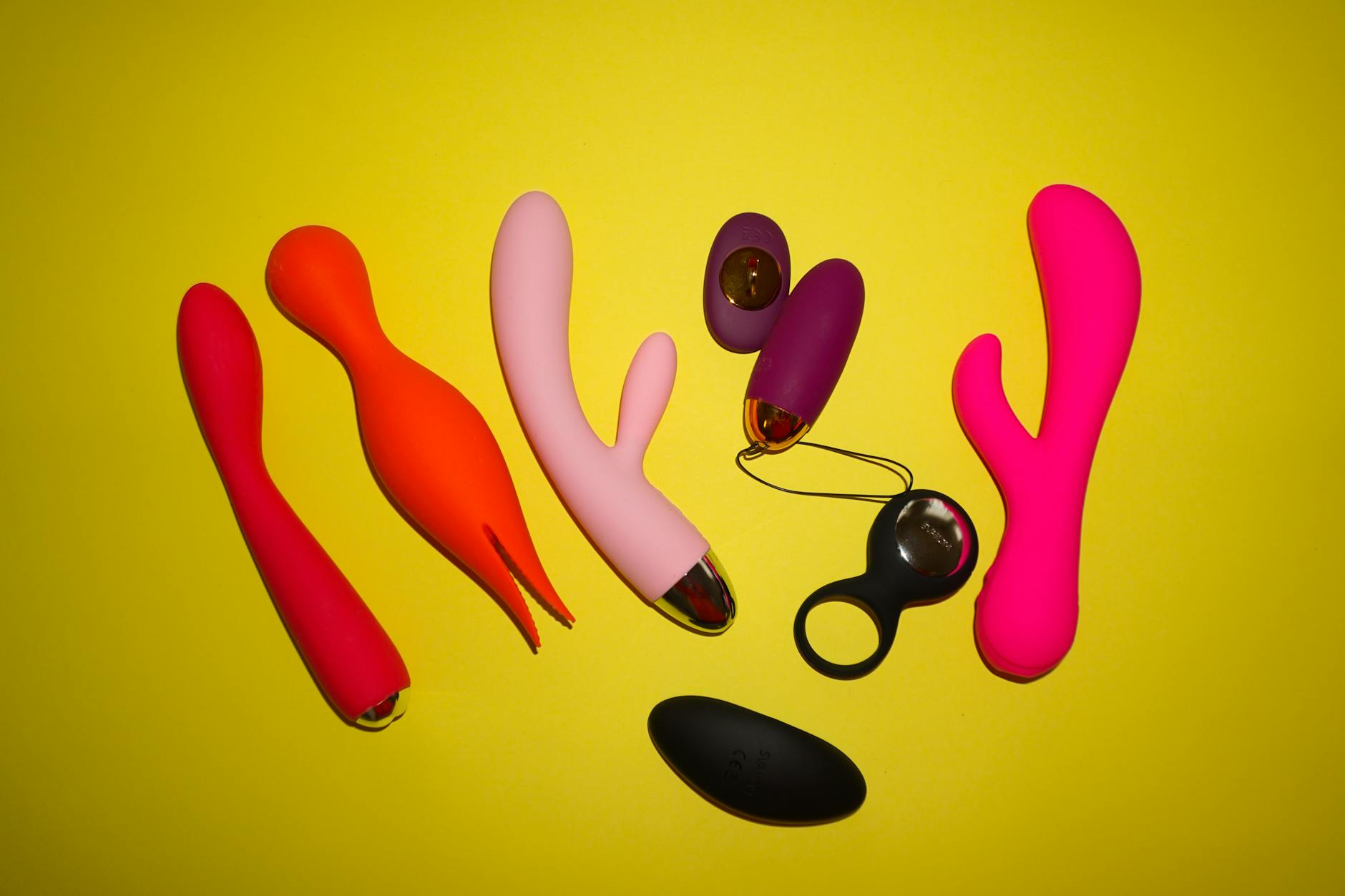
Photo by FounderTips on Pexels
When sensation feels numb or delayed
This is the question I hear most from people in the first month after stopping birth control. "Why doesn't my lemon vibrator work the same way? Am I desensitized?" You're almost certainly not. You're just in a low-hormone window.
Numbing or delayed sensation right after quitting the pill usually means your estrogen is low (which is normal in the early follicular phase) or your body is still adjusting to natural hormone production. The solution isn't to use a more intense vibrator. It's to give yourself more time and use it strategically.
Try this. Pick a time in your cycle when you know arousal comes easier (around ovulation, or the week before your period). Use your lemon vibrator then. You'll probably find it works beautifully. That's your baseline now. Once you know what pleasure feels like when conditions are optimal, you can adjust expectations on the harder weeks without panicking.
If numbness persists beyond three months, or if orgasms still feel absent in high-hormone windows, that's worth mentioning to a gynecologist. Some people's nervous systems take longer to recalibrate. Others have underlying issues with sensation that have nothing to do with the pill. A professional can help you figure out which.
Managing partner sex during the transition
If you're in a relationship, your shift off hormonal birth control affects both of you. Your desire might be higher than it was on the pill, especially during ovulation. Your arousal timeline is longer. Your orgasm sensitivity is variable. That's all worth naming out loud rather than expecting your partner to guess.
One useful frame: "My body is learning to cycle again. Some weeks I'll be more interested in sex, other weeks less. Some weeks I'll need longer foreplay. Some weeks I might not want penetration at all. Can we talk about how to adapt together?" That's not a problem to solve. That's information that helps you both have better sex.
Some people find that using a lemon vibrator solo during low-desire windows helps them reconnect with their body without performance pressure. Others find that having a vibrator during couple sex makes the variable arousal timeline less frustrating for everyone involved. Your partner can use it on you while you're warming up, or you can use it on yourself while they provide other intimacy. It removes the "does this feel good yet?" guessing game.
If you're thinking about pregnancy
Plenty of people quit hormonal birth control because they're ready to try for a baby. If that's you, remember that tracking your cycle (including how your body responds sexually) gives you valuable information about ovulation timing and fertility.
Your lemon vibrator doesn't affect fertility. Your pleasure doesn't affect fertility. But your restored hormone cycles do give you a chance to learn when you're actually ovulating, which is useful information if you're trying to conceive. Some people find that the heightened sensitivity during ovulation is a natural signal. Your body knows what's happening.
How long before everything settles
Most people feel their baseline stabilize around three months. By six months, your cycle is usually predictable and your sensitivity patterns are clear. Some people take longer. If you're also managing stress, other medications, or relationship changes at the same time you quit the pill, hormonal recalibration can feel slower or more chaotic.
That's not a reason to panic or go back on the pill. It's just a reason to be patient with yourself. Your body is doing a complex biological thing. It's worth the time.
The upside nobody mentions
Here's what happens when you quit hormonal birth control and let your body cycle naturally again. Your desire comes back. Not in a panicked or desperate way, but in a genuine, embodied way. You get to feel different kinds of pleasure in different windows of your cycle. Your orgasms often feel more intense because your body is hormonally primed for it.
Your lemon vibrator becomes a tool that works with your cycle instead of against it. You're not fighting your biology anymore. And honestly, that's when pleasure gets really interesting.
People also ask
How long after stopping the pill does my cycle come back?
For most people, your first period after quitting hormonal birth control comes within 4-8 weeks. Some people's cycles return in weeks. Others take a few months. If you haven't had a period within three months of stopping, that's worth checking in with your gynecologist about. It's usually not an emergency, but it's good to rule out anything that needs attention.
Can I still use a lemon vibrator if my cycle is irregular after quitting the pill?
Absolutely. Irregular cycles in the months after quitting hormonal birth control are normal. Your body is recalibrating. Use your lemon vibrator whenever you feel like it, and notice patterns as they emerge. You don't need a perfectly regular cycle to enjoy solo pleasure or partnered sex. The vibrator works regardless of where you are in an irregular cycle.
Will quitting the pill make me want sex more or less?
It depends on your baseline and your biology. Some people's desire drops significantly on the pill and roars back when they quit. Others feel pretty steady throughout. Many notice increased desire around ovulation specifically, which is a change from the flattened desire they felt on hormonal birth control. There's no single answer, which is why tracking your own experience matters more than comparing to anyone else's.
Does my partner need to know I quit the pill if I'm not planning pregnancy yet?
If you're having sex with a partner, yes, they should know so you can both figure out contraception together. If you're using the pill for reasons other than contraception (managing pain, regulating bleeding, managing PMDD), quitting it might affect those symptoms too. That's partner-relevant information if you're intimate with someone. How much detail you share is up to you, but the fact that you quit and you're still using protection is the minimum.
Is it normal for my lemon vibrator to feel uncomfortable after stopping the pill?
If it feels uncomfortable in a "too intense" way, that's usually just a sensitivity adjustment. Start at a lower setting and work up. If it feels uncomfortable in an "ouch" or "pain" way, stop using it and give your body a rest. Pain is your body saying something's wrong. That's different from adjusted sensation. You can resume once you've rested and felt what pleasure feels like again without the vibrator.
When should I contact a doctor about changes after quitting the pill?
Contact a gynecologist if you haven't had a period within three months, if you're experiencing severe pain or bleeding, if your mood is significantly impacted after the first month, or if you're concerned about any physical symptom. Pleasure changes and sensitivity shifts are normal. Persistent pain, absent periods, or severe emotional dysregulation are worth professional attention.
What comes next
Quitting hormonal birth control is one of those life transitions that nobody really talks about clearly until you're in it. Your body recalibrates. Your pleasure recalibrates with it. Your lemon vibrator doesn't change, but how you use it probably will. That's not a downside. That's your body talking to you, telling you what it needs and when.
If you're working through this transition and want to talk through what feels right for your body and your relationship, reach out. We can work through the emotional and physical shifts together at /contact.