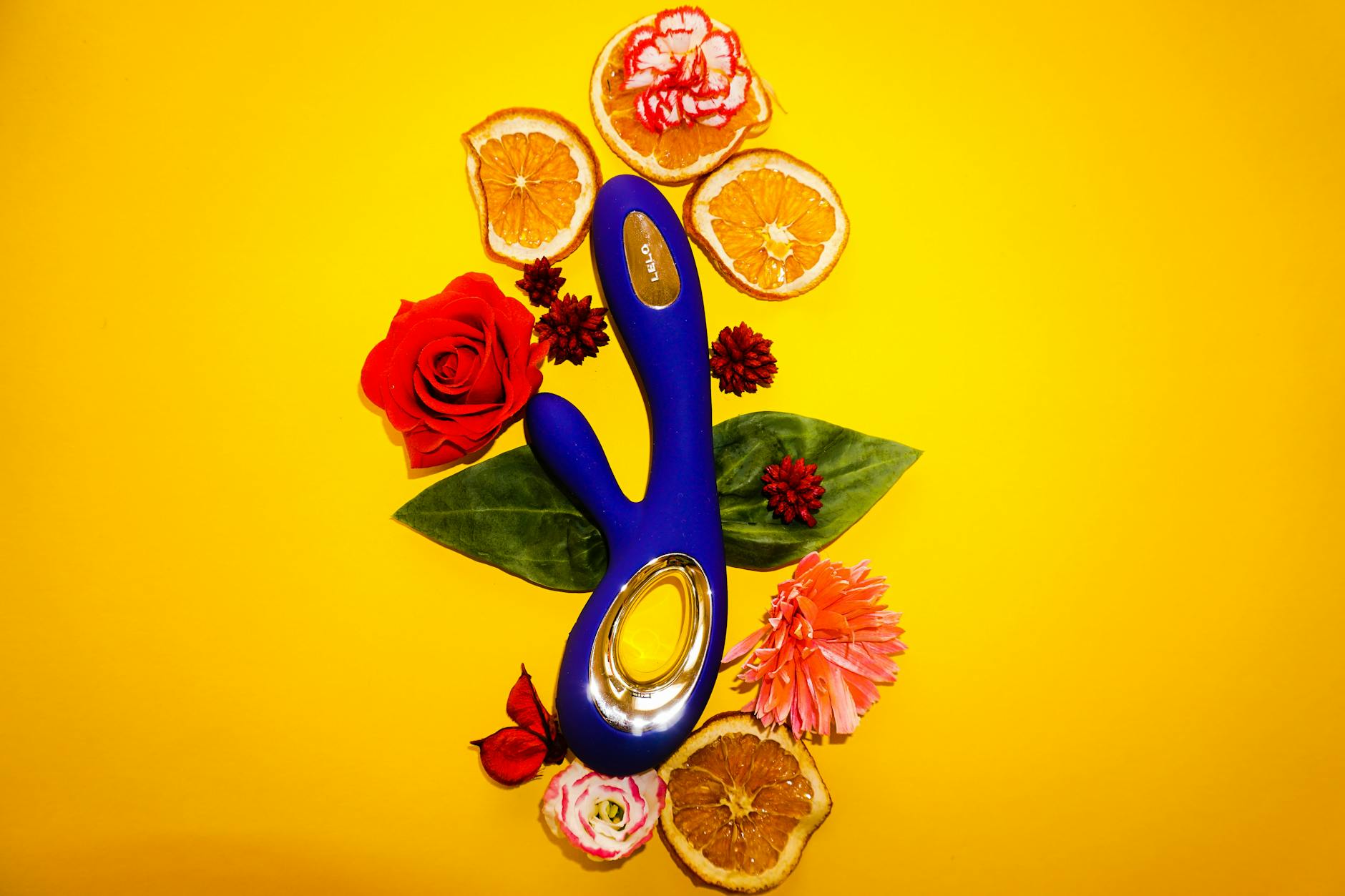
Let's talk about vulvar pain and why it doesn't have to mean the end of sex
Vulvar pain during sex is one of the most common things nobody talks about. If you're experiencing it, you're not alone. And here's what matters: it's treatable. The problem isn't you, and it doesn't mean you're broken. It means you need a different approach to stimulation, and that approach often starts with understanding why friction-based pleasure isn't working.
I work with couples where one partner is dealing with vulvodynia, vaginismus, or post-treatment sensitivity. The pattern is always the same. Pain shows up, panic follows, and suddenly sex becomes something to avoid instead of something to anticipate. But there's a third option: rethinking the mechanics of stimulation altogether.
What vulvar pain actually is (and isn't)
Vulvar pain comes in a few flavors. Some people experience localized pain from specific touch. Others feel generalized burning or throbbing. Some have pain only with penetration. Some have it with all contact. Vulvodynia (chronic vulvar pain) affects roughly 16% of women at some point. Vaginismus involves involuntary pelvic floor muscle clenching. Post-treatment sensitivity is common after childbirth, radiation, or other medical procedures.
Here's what matters: none of these are psychological. They're not "in your head." They're physiological changes to nerve sensitivity, tissue inflammation, or muscular response. Which means they respond to the right kind of stimulus.
Most conventional wisdom about sex relies on friction. Friction feels good for some bodies some of the time. But when your nerve endings are already inflamed or hypersensitive, friction makes it worse. You need stimulation that activates pleasure nerves without mechanical pressure.
That's where suction-based vibrators like the Lem come in.
Why suction works when friction doesn't
A lemon clitoral vibrator uses gentle suction and pulsation instead of direct pressure or vibration alone. Here's the physiology: your clitoris has roughly 8,000 nerve endings concentrated in a tiny area. When tissue is sensitive or inflamed, direct vibration can feel sharp or overwhelming. Suction creates a gentler, more dispersed stimulation pattern.
Think of it like the difference between being poked and being massaged. Both are touch, but one is specific and intense while the other is broader and diffuse.
When you use a lemon vibrator for vulvar pain, you're engaging arousal pathways without triggering pain receptors. That distinction is everything. Your body can experience pleasure while staying out of pain, which means you're not training your nervous system to brace for hurt every time sex starts.
How to start using a clitoral vibrator if you have vulva pain
First step: use it alone before using it with a partner. You need to know your own comfort map without performance pressure or someone else's timeline.
Start with the lowest setting. The Lem's pattern 1 is genuinely gentle. Place it against your vulva without penetration. You're not aiming for orgasm on your first try. You're building the habit of pleasure that doesn't hurt.
Many clients say the suction feels soothing rather than stimulating at first. That's normal. Your nervous system is learning that touch in this area can feel good. That retraining takes time.
If you feel pain, stop immediately. This isn't "no pain, all gain." Pain is information. It means either the pressure is too much, the intensity is too high, or the area needs more healing time. Adjust one variable at a time. Lower the setting. Try a different angle. Take a break and come back tomorrow.
The role of lubrication and comfort setup
Lubrication matters, even with a device designed for gentle contact. Water-based lube reduces any friction on the external surface and makes the whole experience feel more comfortable. Apply it generously.
Position yourself somewhere you feel supported and safe. Not on your back necessarily. Not in the position you'd use for partnered sex. Wherever your body feels most at ease. Many people find lying on their side more comfortable, or propped up on pillows, or even sitting upright.
Temperature helps too. A warm bath before you start can relax the pelvic floor and reduce tension. Pain and muscle tension feed each other. Anything that breaks that cycle helps.
When to involve a partner
Once you've spent a few sessions with your lemon vibrator solo, you might bring your partner into the experience. But not as a replacement for your solo exploration. As an addition.
The conversation matters. Tell them exactly what you've discovered. "The lowest setting on my vibrator feels good. Anything faster is overwhelming right now." Not vague. Not apologetic. Specific and factual.
Many partners feel helpless when their partner is in pain. Giving them a clear role helps both of you. They can hold you. They can be present. They can learn where and how you want touch. They're not the fix. You and your vibrator and your nervous system are doing the work.
If your partner expresses frustration about the change in your sex life, that's a separate conversation worth having with a couples therapist. But don't let their impatience override your healing.
The patience piece (and why it matters)
Vulvar pain doesn't vanish overnight. Retraining your nervous system takes weeks, sometimes months. You'll have sessions where it feels great and sessions where you're tense and uncomfortable for no clear reason. Both are normal. You're not failing. You're healing.
One of my couples came back after three months of regular use. The person with vulvar pain said, "I had an orgasm and I wasn't braced for pain the whole time." That's the win. Not the orgasm itself. The fact that pleasure wasn't shadowed by fear.
Keep a simple note of what works. Not journaling, not therapy homework. Just a real note. "Pattern 2, 15 minutes, after a bath, felt good." You're building your own pleasure map. Data beats guesswork.
When to see a healthcare provider
If pain persists after consistent, patient use of a lemon vibrator over two months, bring it up with a gynecologist or pelvic health specialist. Vulvar pain sometimes responds to topical treatments, physical therapy for the pelvic floor, or other interventions.
You're not bothering them. This is their job. And good providers will ask you what you've already tried and build from there.
Similarly, if you notice pain getting worse, or spreading to new areas, stop and check in with someone qualified. Self-care works when things are moving toward better. When they're not, expert input matters.
The bigger picture: pleasure isn't supposed to hurt
I see a lot of partners (in therapy and in my own life) who've accepted pain as the cost of intimacy. Staying still. Not asking for what they want. Gritting through it. None of that is required or healthy.
Your pleasure matters. Your comfort matters. And a clitoral vibrator designed for gentle, dispersed stimulation isn't a workaround. It's the right tool for the job. Using a lemon vibrator when you have vulva pain isn't settling for less. It's choosing what actually works.
Photo by Madison Inouye on Pexels
FAQ: vulvar pain and clitoral vibrators
Is it normal for vulvar pain to get worse when I first use a vibrator?
It depends. Some people experience brief discomfort as their nervous system adjusts to a new sensation. If it feels like soreness the next day, you went too long or too intense. Scale back. If it's sharp pain during use, stop and lower the intensity or take a break. Sharp pain is your body saying "not this." Listen to it.
Can a lemon vibrator actually help heal vulvar pain, or does it just mask it?
Both. A lemon suction vibrator helps you experience pleasure without triggering pain pathways. Over time, that rewires your nervous system's association with the area. You're not healing the underlying inflammation (that might need medical treatment), but you're building new pathways and reducing the fear and tension that often amplify pain. That's real healing.
What if my pain is only during penetration, not during external stimulation?
Then a clitoral vibrator is still useful. Many people with pain during penetration can use one comfortably for external pleasure. That gives you access to orgasms and satisfaction without the activity that triggers pain. As your pelvic floor relaxes and your confidence rebuilds, penetration might become possible again. Or it might not, and external pleasure might be your long-term answer. Both are fine.
How long should I wait between solo sessions with my vibrator before bringing my partner in?
Three to five sessions, minimum. You want to feel confident that the device feels good and that you know your own comfort level. Then you're teaching from experience, not hope.
Are there vibrator settings that are worse for people with vulva pain?
Yes. Higher frequencies and rapid pulsing patterns tend to be harder on sensitive tissue. Start with pattern 1 on a lemon vibrator and work up only if lower patterns stop feeling satisfying. Many people with vulva pain find their sweet spot in the lower range and stay there long-term. That's not a limitation. That's your answer.
Can birth control or hormonal changes make vulvar pain worse, and does that affect how I use a vibrator?
Absolutely. Hormonal shifts change tissue thickness and sensitivity. If your pain fluctuates with your cycle or with medication changes, adjust your vibrator use accordingly. High pain days might be low-intensity days. Days when sensation is less reactive might be when you explore higher patterns. Your body will tell you if you listen.
The takeaway
Vulvar pain is real, it's not your fault, and it doesn't have to mean the end of your sex life. A lemon vibrator designed for suction-based stimulation offers a way back to pleasure that doesn't run through pain. Start slow, use lube, know your limits, and let your nervous system heal at its own pace. Your pleasure is worth the patience.