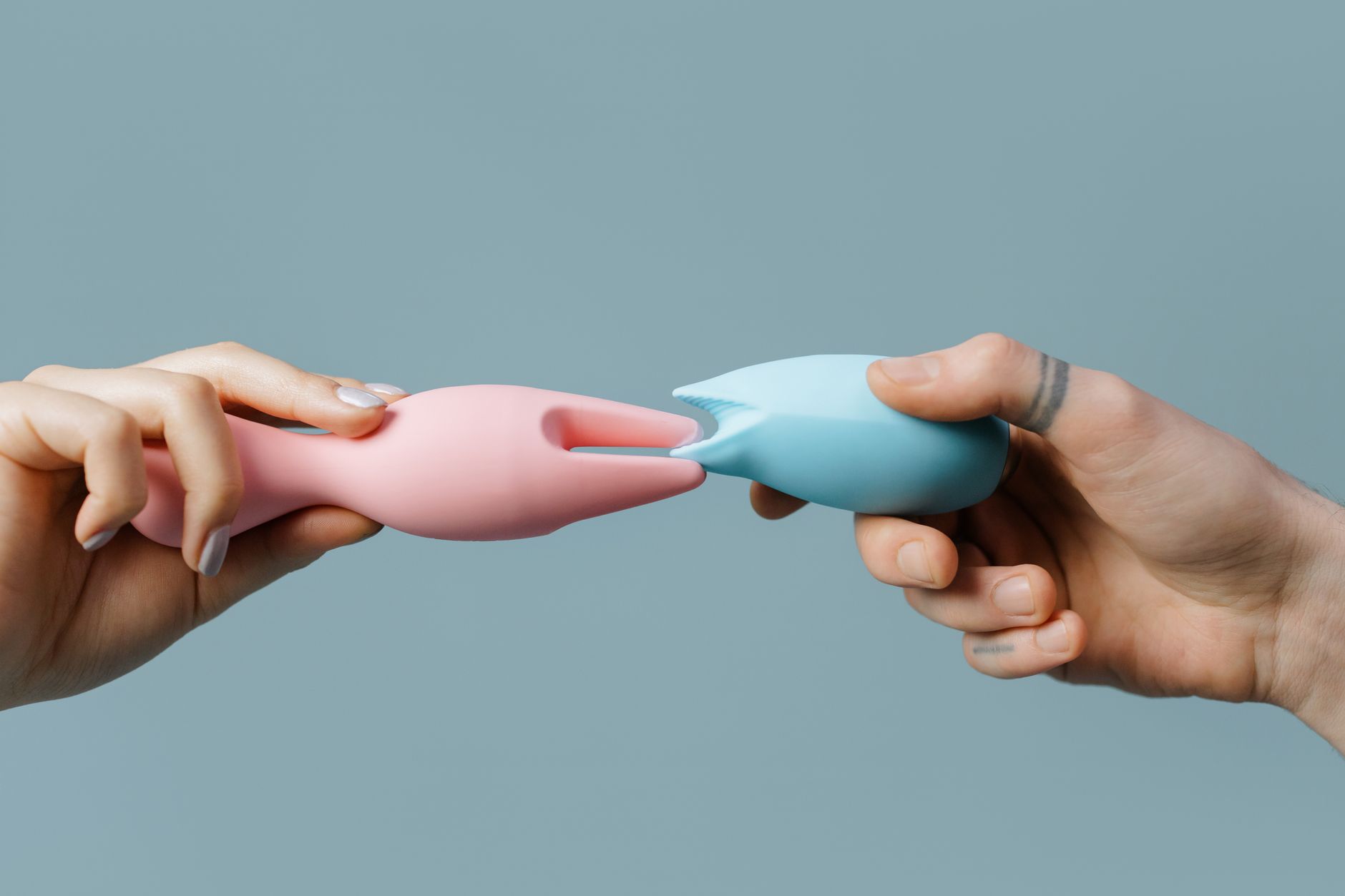
Let's start here: pleasure and pain aren't mutually exclusive
Chronic pain doesn't mean you lose the right to feel good. But it does mean your body is sending different signals, and that requires a different approach. If you're living with fibromyalgia, endometriosis, pelvic floor dysfunction, arthritis, or any condition that makes touch unpredictable, a lemon clitoral vibrator can still be part of your pleasure practice. It just needs respect for your nervous system's limits.
I work with people every week who've been told their pain makes sex impossible. They're not looking for miracles. They're looking for real information about what their body can actually handle.
How chronic pain reshapes sexual response
Chronin pain does three overlapping things to arousal and sensation. First, it makes touch feel different. Fibromyalgia, for example, can make skin feel tender or hypersensitive. Endometriosis creates localized pain that flares unpredictably. Pelvic floor dysfunction makes pressure feel like threat instead of pleasure. Your nervous system is in protect mode, which means it's harder for it to shift into pleasure mode.
Second, chronic pain drains mental bandwidth. The cognitive load of managing pain all day leaves less space for focus, anticipation, and the mental component of arousal. You're tired. Your body's asking a lot of you. That's not laziness. That's reality.
Third, pain can create fear of touch. If vibration or friction has triggered pain before, your nervous system learns to brace against it. Using a lemon vibrator becomes an experiment in renegotiation. You're teaching your body that sensation can be safe again.
Why lemon vibrators work differently for chronic pain
A lemon sexual toy's gentle suction mechanism is different from traditional vibration. Rather than rapid back-and-forth friction, suction stimulates nerve endings through sustained pressure changes. This matters enormously for chronic pain because it means less direct mechanical impact on sensitive or inflamed tissue.
Think of it this way: if you have fibromyalgia, a high-intensity buzz might feel like assault. The lemon clitoral vibrator's softer pulse pattern lets you build sensation gradually. You're not fighting your body's protective instinct. You're working with it.
For people with endometriosis or pelvic pain, positioning matters more than intensity. The lemon vibrator's ergonomic design means you can control angle and depth without straining. That control is what separates pleasure from flare-up.
Positioning strategies that protect your body
Let's get practical. If you have localized pelvic pain, lying flat with a pillow under your hips changes the angle of pressure entirely. You're not forcing your body into a position that triggers symptoms. You're creating geometry that feels safe.
For fibromyalgia or widespread pain, side-lying often works better than supine. You're not activating your core stabilizers the same way. Gravity isn't pulling on sensitive areas. Start here before moving to other positions.
If you have arthritis or joint pain, think about where your hands need to be. Can you prop yourself with pillows so you're not gripping or straining your wrists? Using a lemon vibrator with one hand while the other hand supports you or stays relaxed changes the whole equation. No white-knuckle grip. No flare-up the next day.
Sensation mapping: learning your own nervous system
Chronin pain is a moving target. What felt okay yesterday might hurt today. That's not you being broken. That's your nervous system responding to fatigue, hormones, inflammation, and a thousand other factors outside your control.
Before using a lemon adult toy, spend a few minutes with no expectations. Where does your body feel open? Where does it feel guarded? This isn't about fixing anything. It's about gathering information.
When you do introduce the lemon sucker, start at the absolute lowest intensity. I mean the softest pulse available. Notice what sensation registers without reading it as pleasure or pain. Just sensation. After 30 seconds, pause. Check in with your nervous system. Does it feel more open or more defensive? Are you bracing or relaxing?
The goal isn't orgasm on day one. The goal is showing your nervous system that sensation can be predictable and safe.
Flare-ups, rest days, and knowing when to pause
Chronin pain has a rhythm. Some days are better. Some days your body needs nothing. If you're having a flare-up, lemon vibrators can wait. This isn't failure. This is listening.
I work with couples where one partner has chronic pain. The thing that saves their intimate life isn't pushing through flares. It's building a language around rest days that doesn't feel like rejection. You might say: "My nervous system is in protect mode today. My body's not ready for stimulation, and that's not about you."
On moderate pain days, you might use a lemon clitoral vibrator differently than on good days. Maybe it's 60 seconds of gentle exploration instead of 15 minutes. Maybe it's external only, no internal sensation. Your body gets to set the terms.
The mental side: rebuilding trust with your body
If chronic pain has made you afraid of touch, using any vibrator involves psychological rewiring. You're teaching your nervous system that sensation doesn't always equal harm.
This takes patience. You might find that five minutes in, your body suddenly feels threatened. Not because something changed externally, but because your nervous system remembered an old pattern. That's not a failure. That's information. You pause, breathe, maybe try again tomorrow.
Many of my clients find that using a lemon vibrator solo first, before partnered sex, feels safer. You control the pace. You control the intensity. You know your own touch is safe. That builds confidence. Then partnered exploration becomes less scary because you've already proved to yourself it's possible.
Partners can help by understanding that pleasure with chronic pain isn't about performance. You're not trying to look sexy or orgasm on cue. You're trying to expand your nervous system's sense of what's possible.
Lubrication, cleanup, and self-care after
Chronic pain often means inflammation is already happening. Water-based lubricant isn't just comfort. It's injury prevention. It reduces friction on sensitive tissue. Use it generously, even if you don't think you need it.
After use, some people benefit from a warm (not hot) compress on the pelvic area. Others need the opposite: ice wrapped in cloth. You'll learn which one your body prefers. This is part of the pleasure practice too. Self-care afterward is part of showing your body respect.
Clean your lemon adult toy with warm water and mild soap. Dried lubricant or bacteria aren't worth a urinary tract infection or yeast infection on top of your pain. Hygiene is especially important when your immune system is already managing chronic inflammation.
When to talk to a specialist
If you have pelvic pain, a pelvic floor physical therapist trained in pain can change everything. They can teach you which muscles are holding tension, which positions actually help, and how vibration fits into your healing. Don't skip this step. It's not indulgent. It's essential medical support.
If you're on medications that affect sensation or arousal, mention that to your doctor when you're thinking about reintroducing pleasure. Some medications make sensation harder to access. That's not shameful. That's data your doctor needs.
There's also a difference between medical pain and pain that's about trauma or anxiety. A therapist who understands chronic pain and sexuality can help you untangle that. You deserve to know which part of the pain is structural and which part is your nervous system protecting itself.
FAQ: Chronic pain and lemon vibrators
Can I use a lemon vibrator if I have endometriosis?
Yes, with positioning care. Endometriosis pain is often directional. If deep penetration hurts, focus on external stimulation only. A lemon clitoral vibrator with gentle suction and no insertion might feel amazing. Use a small pillow to adjust your hip angle so you're not stretching or compressing the tender areas. Start slow, and you'll learn what works for your particular pain pattern.
What's the difference between my pain increasing and my body just being scared?
Pain that gets sharper, more localized, or suddenly intense is your body signaling real tissue irritation. Stop. Rest. That's actual pain. Nervousness might feel like tension or resistance, but it usually eases as you breathe and relax. The distinction matters because one says "pause," and the other says "breathe through and your nervous system will settle."
Can my partner help me use a lemon vibrator if I have chronic pain?
Absolutely, if you want them to. The key is communication beforehand. Tell them what sensations feel good and which don't. Let them know it's okay to pause without making it awkward. Some people find partnered use deeply connecting because their partner is witnessing their body's complexity without judgment. Others prefer solo exploration first. Both are fine.
Is it normal for a lemon vibrator to feel uncomfortable the first time?
It depends. If it's a sharp "stop now" pain, yes, pause. If it's a hesitant, nervous feeling, that often softens with practice. Your body might need a few sessions to figure out that sensation is safe again. Start with 30 seconds at the lowest intensity. Let your nervous system acclimate. Discomfort is information, not a diagnosis.
Should I use lemon sexual toys on flare-up days?
No. Flare-ups mean your nervous system is already in protect mode. Adding stimulation often makes things worse, not better. Rest days are part of the practice. Your pleasure won't disappear if you skip a few days. Your body's ability to heal might actually improve with the rest.
Can I use a lemon vibrator if I'm also in pelvic floor physical therapy?
Yes, but check with your pelvic floor therapist first. Some phases of therapy involve gentle stimulation to teach the muscles to relax. Others involve complete rest. Your therapist can tell you what timing makes sense. Using a lemon clitoral vibrator as part of a structured recovery plan can actually help pelvic floor dysfunction when it's timed right.
The bottom line
Chronic pain changes what you have access to, but it doesn't take away your right to pleasure. A lemon vibrator fits into that complicated space. It's gentle enough for sensitive tissue. It's flexible enough for multiple positions. It's responsive enough to let you go at your own pace.
Your body's pain is real. Your desire is also real. You don't have to choose between honoring your limits and exploring sensation. That's exactly what adaptation is for.
Ready to explore? Start small. Listen carefully. Build slowly. Your nervous system will tell you what it's ready for. Trust that conversation.