Here's what no one tells you about pleasure after divorce
Divorce ends a marriage. It does not end your body's right to feel good. But here's what actually happens in those first months after separation: you're untangling finances, explaining the split to friends, managing logistics with an ex, and somewhere in that chaos, pleasure becomes this strange, guilty thing. Not because you shouldn't have it. Because you're not sure how anymore.
After years of sex shaped by compromise, timing around someone else's schedule, or worse, sex that stopped working somewhere along the way, solo pleasure can feel like learning from scratch. And honestly? That's not a bad place to start. This is the first time your sexual life has been entirely yours.
Why this moment is different from any other
Divorce is not just a relationship ending. It's an identity reset. For years, you may have been performing the role of wife, partner, someone attuned to another person's needs and desires. That role is gone. The space it occupied is suddenly, completely blank.
That blank space is terrifying and liberating at the same time.
Here's what research on post-divorce sexuality shows: people who actively rebuild their sexual identity alone, before jumping into new partnerships, report significantly higher satisfaction in future relationships. Not because they're more experienced. Because they've reconnected with what actually feels good to their own body, without an audience or an obligation.
A lemon clitoral vibrator like the Lemon is useful here because it removes the performance aspect. You're not trying to orgasm quickly so your partner can finish. You're not working around someone else's preferences. You're sitting with your own nerve endings and learning what they actually like.
What happens in the first solo exploration
Your body may surprise you. After years of partnered sex (or no sex, if the relationship died before the paperwork), nerves have adapted to silence. They're not broken. They're quiet. And quiet nerves wake up slowly.
The first time you touch yourself intentionally after divorce, it might feel awkward. You might feel phantom guilt, like someone's watching. You might notice your mind is anywhere but in your body. That's normal. That's actually the work.
Three things shift when you restart solo pleasure:
1. Tempo is yours alone. No negotiating how long foreplay lasts. No waiting for someone else to be ready. You can spend 5 minutes or 45 minutes warming up your body. Whatever your nerves need.
2. There's no failure state. You don't have to orgasm. You don't have to perform arousal. You can explore sensation for its own sake, which is a wild relief after years of sex that had to go somewhere.
3. You can get to know your body like a new country. Hormones may have shifted. Pain points from the relationship may be gone. Your sensitivity may be different. You're not debugging the relationship's damage. You're surveying the landscape now.
How to actually use a lemon vibrator when you're starting from nothing
Let's get practical. Here's what I recommend to clients rebuilding solo pleasure after divorce.
First, set the environment. Lock the door. Silence your phone. Tell anyone in the house you need an hour alone. No apologies. Your pleasure is not a theft of anyone's time. Then actually relax. Take a bath, stretch, listen to music that makes you feel like yourself. Arousal doesn't start with vibration. It starts with permission.
Second, touch yourself first. Hand before the lemon vibrator. Hands are familiar. Hands teach you where sensation lives right now. Hands don't have a battery or a setting. They just feel. Spend 10 minutes just touching, noticing what feels good, where you're holding tension, where you want more pressure.
Third, introduce the vibrator low. The Lemon has multiple patterns. Start at pattern 1 or 2, not the climax. Let the vibration introduce itself. Some people find direct clitoral contact too much at first. Try placing it just beside the clitoris, or through fabric, or on your inner thigh and work inward. This is not about efficiency. This is about information. You're gathering data on your own nerve endings.
Fourth, let pleasure meander. Build, pull back, build again. Stop when you want to. Orgasm when and if you want to. If you don't come, that's fine. You're rewiring your nervous system to recognize pleasure as something that happens to you, not something you have to chase.
This process typically takes weeks. Not because your body is broken. Because rebuilding any skill, including pleasure, requires repetition. By the third or fourth time you're with the lemon vibrator, your body has started remembering how to relax into sensation.
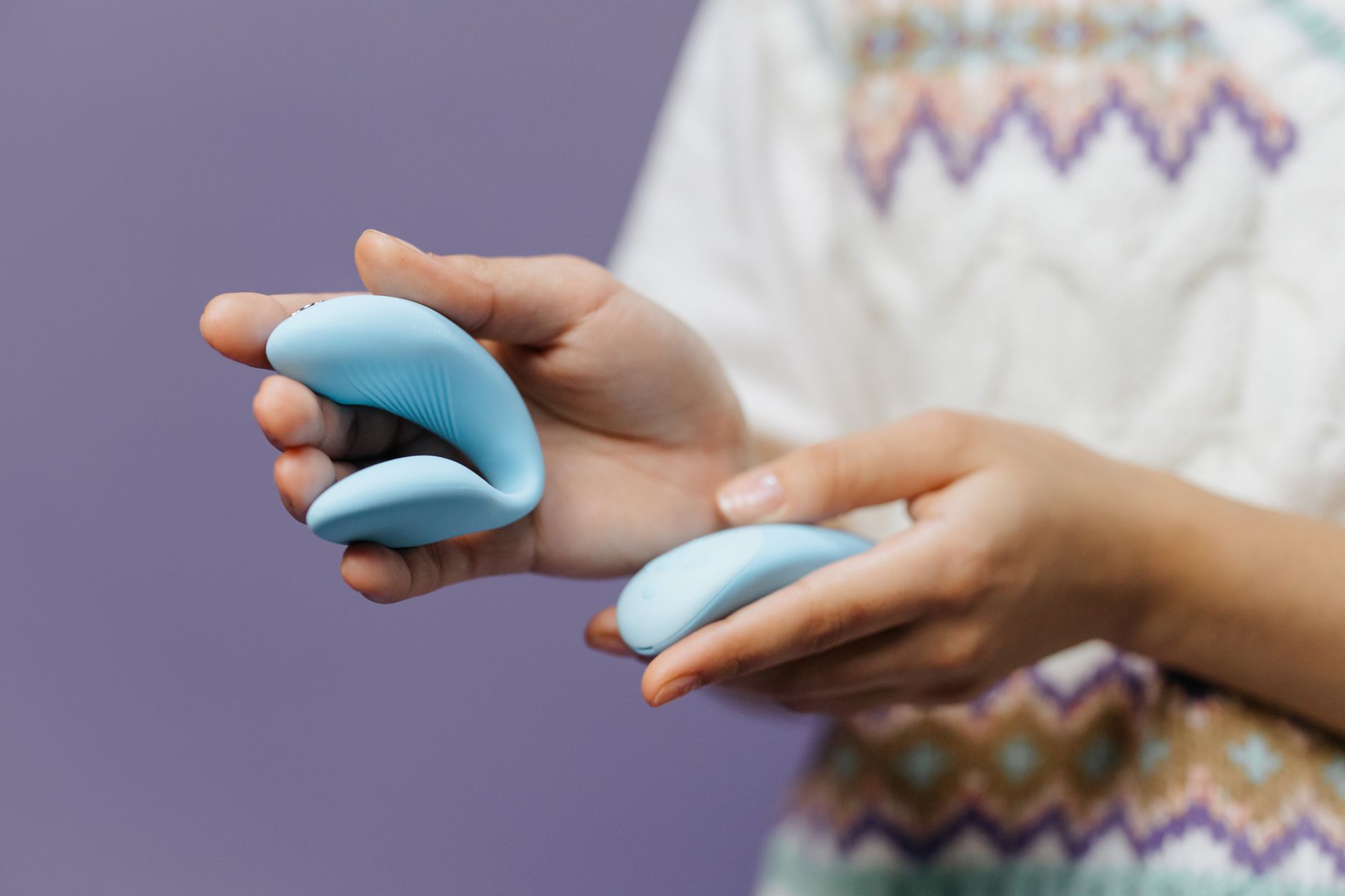
Photo by cottonbro studio on Pexels
The guilt piece (because it's real)
Divorce carries a lot of narratives. Failure. Sadness. Anger. Somewhere in that weight, pleasure can feel like betrayal. If the marriage fell apart, taking pleasure in your body can feel like you're celebrating the wreckage.
Here's what I tell clients: your pleasure has nothing to do with whether the marriage was right. Your pleasure is not a referendum on your ex. Your pleasure is simply the fact that you have a nervous system, and that nervous system deserves to feel good.
If guilt comes up while you're using a lemon vibrator or exploring your body, pause. Notice it. Usually guilt is carrying information. Sometimes that information is "I'm exhausted and need sleep instead." Sometimes it's "I'm actually grieving right now, not aroused." Sometimes it's just old programming that said your body should be available for someone else's pleasure, and you need to retrain that thought.
None of that means you should stop exploring. It means you're paying attention.
When to push past what's comfortable
There's a difference between discomfort and pain. Discomfort is new sensation, awkwardness, the strange feeling of pleasure on your own terms. Push past that. That's where growth lives.
Pain is different. Pain is your body saying no. If the lemon vibrator causes sharp pain, or if you feel pain while exploring, check if you need medical support. Pain during sex after divorce is sometimes lingering tension from the relationship. Sometimes it's a sign you need to move slower. Sometimes it's unrelated to the divorce at all.
But discomfort, the kind that's just unfamiliar? That's part of the process. Sit with it. Come back to it. Your nervous system is learning that pleasure is safe.
Building a practice, not a performance
The difference between solo exploration and masturbation is intention. Masturbation can be goal-oriented. Exploration is about the journey. After divorce, you want exploration.
This might look like: once or twice a week, you spend 30-45 minutes alone with your body and a lemon vibrator. No pressure to orgasm. No clock. Just presence. Over time, you start to notice patterns. Maybe you enjoy pattern 3 on the Lemon more than pattern 1. Maybe you like longer warm-up time than you realized. Maybe you discover you actually prefer lower intensity than you had with a partner. These are the details that matter for your own pleasure, and for any future partnered sex.
You're not training your body for someone else. You're training yourself to listen to what your body is actually asking for.
How this rebuilds sexual confidence
Confidence after divorce doesn't come from jumping into new relationships quickly. It comes from standing in your own pleasure and recognizing it as legitimate. It comes from knowing what your body enjoys, what your nerves respond to, what feels good without negotiation.
That confidence travels. When you eventually decide to have sex with someone new, you're not showing up fragmented or uncertain. You know your landscape. You can ask for what you want. You can say no to what doesn't work. You can recognize the difference between what you actually desire and what you think you should desire.
That's the gift of solo exploration after divorce. Not just better orgasms. Better boundaries. Better sex. Better life.
Frequently asked questions
How long after divorce should I wait before exploring solo pleasure?
There's no timeline. Some people need weeks of emotional processing. Others are ready immediately. Pay attention to your nervous system. If you're using solo pleasure to numb sadness or anger, that's information. If you're using it to reconnect with yourself, that's different. Both are valid. Just be honest about which one you're doing.
What if I feel nothing the first time I use a lemon vibrator?
Nothing is not failure. Your nervous system may be in shutdown mode after the stress of divorce. Keep going. Most people report that sensation returns and deepens between the third and fifth solo session. Your body is not broken. It's recalibrating.
Can I use a lemon vibrator while still angry at my ex?
Absolutely. Anger is energy. Channel it into reclaiming your pleasure. You're not forgiving anything. You're taking back what belongs to you. Your body, your sensation, your right to feel good. Use the Lemon or any clitoral vibrator as an act of radical self-care, not as processing the relationship.
Is solo exploration enough, or should I see a therapist?
Solo exploration and therapy are not either-or. A good therapist can help you untangle the emotional weight of divorce while you're rebuilding your sexual identity. I recommend both. The lemon vibrator handles the body. A therapist handles the story you're telling yourself about the body.
What if I don't want a partner again?
Then your solo practice is not a holding pattern. It's your actual sex life. Some people discover through divorce that their most satisfying pleasure is solo. There's nothing wrong with that. Build a lemon vibrator practice that sustains you.
How do I know if I'm ready to have partnered sex again?
When you feel genuinely curious about another person's body, not just using sex to distract from loneliness. When you can have an orgasm alone without feeling like you're missing something. When the thought of someone touching you feels safe, not obligatory. That's readiness.
The bottom line
Divorce is the end of one chapter. Solo pleasure is the beginning of the next. A lemon clitoral vibrator, whether it's the Lemon itself or another quality toy, is simply a tool for reconnecting with sensation on your own terms. What matters is that you're showing up for yourself, learning your own body, and reclaiming the simple fact that your pleasure matters.
Your ex didn't own your nervous system. No one does. That belongs to you. The lemon vibrators and clitoral vibrators you explore with are just reminding your body of something it already knows. You deserve to feel good.
Ready to rebuild? Get in touch if you want resources or support navigating this transition. You're not alone in this.