Let's talk about the thing no one warns you about
Your medication is keeping you alive. That's the good news. The awkward news is that many of the drugs that stabilize your mood, lower your blood pressure, or clear your sinuses also flatten sexual sensation so thoroughly that orgasm starts to feel like a rumor.
This isn't dysfunction. It's a side effect. And unlike some side effects that fade after a few weeks, this one often sticks around for as long as you're taking the medication. The worse part? Most people never mention it to their doctor because the conversation feels complicated.
It doesn't have to be. And neither does reclaiming pleasure.
Which medications actually do this
Not every drug dulls sensation equally. Some barely touch it. Others are notorious:
Antidepressants top the list. SSRIs (sertraline, paroxetine, fluoxetine) affect about 40-60% of people who take them, particularly affecting orgasm intensity and the time it takes to climax. SNRIs are often slightly better but still problematic for some.
Blood pressure medications like beta-blockers and ACE inhibitors reduce bloodflow to the genitals, which literally dampens arousal. You might not feel as much.
Antihistamines (even over-the-counter ones) dry out mucous membranes everywhere, including down there. Less lubrication means less sensation.
Hormonal birth control isn't a medication in the traditional sense, but it rewires how your body responds to stimulation by changing hormone levels. Similar dampening effect.
Stimulant medications for ADHD paradoxically sometimes reduce sensation, though they affect people differently.
The pattern: anything that affects blood flow, hormone balance, or neurological sensitivity can flatten pleasure. Some people barely notice. Others lose sensation entirely.
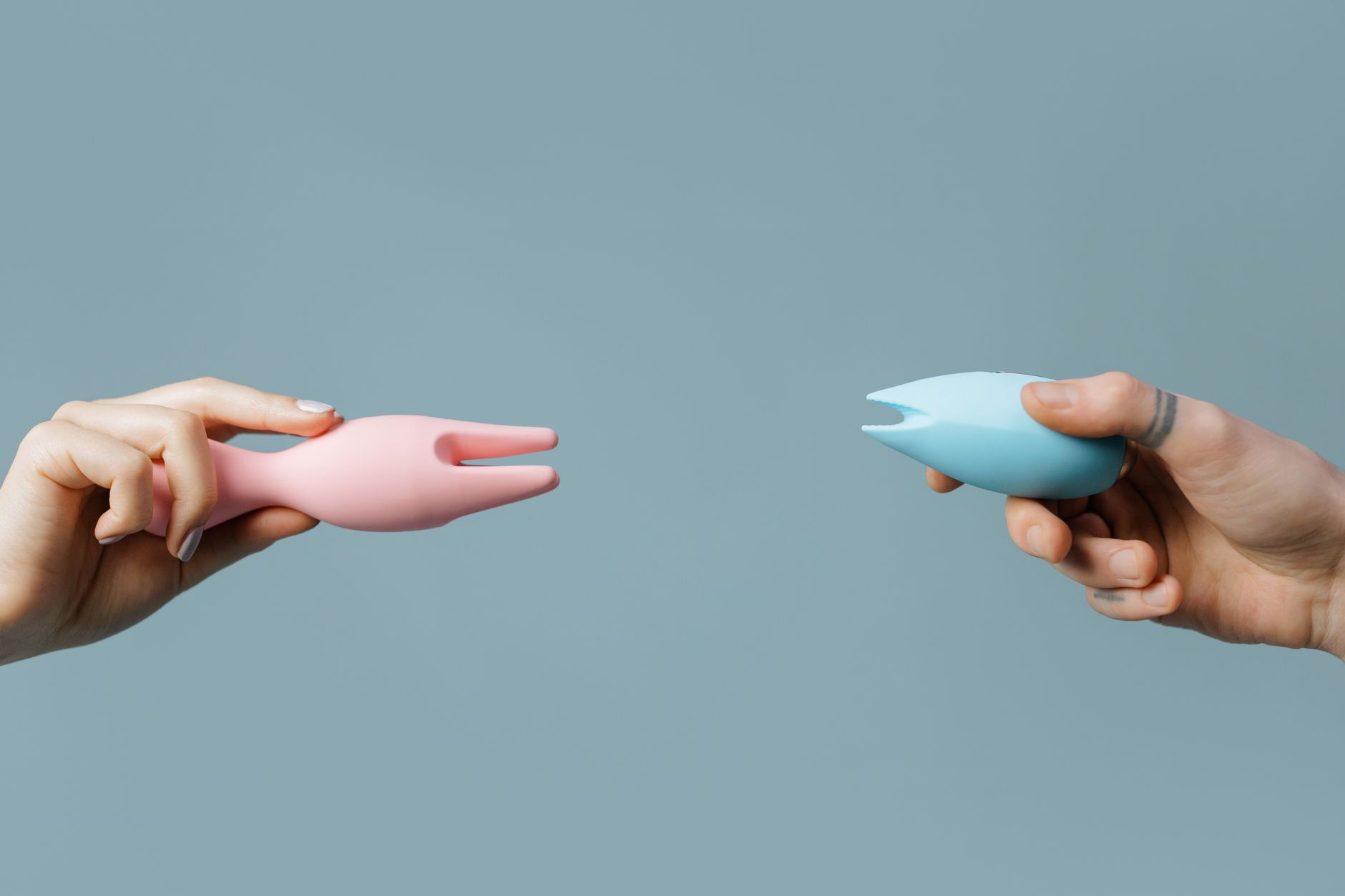
Why a lemon clitoral vibrator is actually the right tool
Here's the thing about numbness from medication. It's not that sensation is gone. It's that the signal is weaker. Your nerves are still there. Your clitoris still has thousands of nerve endings. But the message isn't getting through as clearly, or it's taking longer to build.
This is where air-suction technology like the lemon vibrator makes a genuine difference. Unlike traditional vibrators that use repetitive buzzing (which relies on sensitivity to feel the vibration), suction stimulates through pressure and rhythmic pulsing. It reaches deeper nerve clusters and activates different neurological pathways than surface vibration alone.
In plain terms: if medication has muted the volume on regular vibration, suction bypasses some of that dampening by engaging your body's sensory system differently.
People on SSRIs, blood pressure meds, and antihistamines report that lemon adult toys deliver sensation they genuinely feel, even when other vibrators have become basically pointless.
Timing matters more than you think
Here's a tactical insight most people miss. If you know your medication peaks in your bloodstream at a certain time, you can work around that.
Most antidepressants hit peak levels 2-4 hours after you take them (depending on whether it's immediate-release or extended). If you take your pill at breakfast, sensation is likely worst around lunchtime and early afternoon. By evening, some people notice a slight improvement.
If your pleasure is flattest right when medication is strongest, shift your solo time to later in the day or next morning. Not everyone has schedule flexibility, but if you do, this small change can make a real difference.
Blood pressure meds are also time-dependent. Some people feel their best sensation in the hour or two after waking, before the day's stress and medications compound. Test different windows and track what works.
The physical setup that actually helps
When sensation is muted, your environment and warm-up matter more than when you feel everything acutely.
Start with longer foreplay. Most people give themselves 5-10 minutes. With medication-dampened sensation, give yourself 20-30. Arousal builds slower, and your body needs more time to wake up the sensory pathway.
Focus on non-genital touch first. Your medication might dampen clitoral sensation more than skin sensitivity. Spend 10 minutes on neck, breasts, inner arms, inner thighs. Get your nervous system primed before you bring in the lemon vibrator.
Use a lubricant. Medication-related dryness is real, and friction without glide kills sensation further. Water-based lube is essential. It's not cheating. It's infrastructure.
Start at lower intensity. The Lem vibrator has rhythm levels 1-10. Most people jump to 6-7 immediately. If you're medication-dampened, start at 2 or 3 and spend 2-3 minutes at each level. Let your body gradually reacquaint itself with sensation. Rushing to high intensity too fast can feel exhausting rather than pleasurable.
Switch between patterns. The Lem has different pulse rhythms (waves, pulses, steady). Your medication might have dulled your response to one pattern but left another intact. Rotate between them every few minutes. The novelty itself can register as sensation your brain might otherwise miss.
When to talk to your doctor (and what to say)
Here's the conversation most people avoid: "My antidepressant is flattening my sexual sensation, and I'd like to explore options."
You don't need to be graphic. Your doctor has heard this hundreds of times. They're not judging.
Several actual solutions exist:
Timing adjustment. Some doctors can shift when you take your medication to reduce the overlap with your intimate time.
Dose reduction. Not always an option, but sometimes lowering the dose slightly improves sensation without sacrificing the mental health benefit. This requires your doctor's input.
Medication switch. Some antidepressants affect sexual function less than others. Bupropion (Wellbutrin), for example, is less likely to dampen sensation than SSRIs. If your current medication is working but the side effect is severe, switching might be possible.
Adjunct medication. Doctors sometimes add a second low-dose medication that counteracts sexual side effects. It sounds backward but it works for some people.
Continued use of external tools. Your doctor might simply acknowledge that a lemon clitoral vibrator or other pleasure device is part of your sexual health strategy while on medication. There's nothing wrong with this.
The point: you don't have to choose between mental health and pleasure. Bring the problem to your doctor as an equal piece of your health.
Working with a partner through this
If you're with a partner, this becomes a joint challenge. They might interpret reduced sensation or longer orgasm timelines as lack of interest. It's not.
Tell them explicitly: "My medication dampens sensation. This isn't about you or how I feel about you. It's biochemistry. Here's what helps."
Show, don't just tell. Bring your partner into your exploration with the lemon vibrator. Let them see what patterns activate you. Some partners find it genuinely hot to watch and participate. Others feel relieved to have a concrete tool that works. Either way, it becomes collaborative rather than frustrating.
Adjust expectations temporarily. If orgasm used to take 10 minutes and now takes 30, that's okay. Set aside the time. Make it part of the experience rather than a race.
Maintain non-sexual touch. When sex feels harder to access, couples often pull back emotionally too. Don't. Touch without expectation. Hand-holding. Cuddling. These actually support sexual connection over time.
The patience piece (and why it matters)
Medication side effects don't always mean permanent loss of sensation. Bodies adapt. Some people find that after 3-6 months on a new medication, sensation starts to return or they learn to activate it differently.
Others find that the medication is worth the trade-off, and pleasure becomes something you engineer with intention rather than take for granted.
Both are valid. Both require patience with yourself. A lemon adult toy isn't a quick fix. It's a tool that works best when paired with realistic expectations, good timing, and genuine curiosity about what your body can still feel.
Your medication is part of your care. So is pleasure. You don't have to sacrifice one for the other.
People also ask
Can I stop my medication to get sensation back? No. Talk to your doctor before changing any medication regimen. Stopping antidepressants or blood pressure meds without guidance is risky. But talking to your doctor about side effects opens the door to adjustments that might help. Many options exist before stopping is ever considered.
Does the Lem vibrator work for medication-dulled sensation? Yes, many people report that suction-based stimulation reaches sensation that traditional vibration doesn't access when medication has dampened sensation. It's not a guarantee, but it's specifically designed to activate deeper nerve clusters.
How long does it take for sensation to return if I switch medications? It varies widely. Some people notice improvement within 2-3 weeks of switching. Others take months. Your body adjusts to new chemistry slowly. Be patient and communicate with your doctor about what you're noticing.
Is it normal for antidepressants to affect sexual sensation? Yes, absolutely. 40-60% of people on SSRIs experience some sexual side effect. You're not broken. This is a known, documented side effect that your doctor can help you manage.
Can I use a lemon clitoral vibrator while taking antidepressants? Yes. There are no contraindications. In fact, many therapists recommend external pleasure tools as part of managing sexual health while on medications that affect sensation.
What if my partner isn't interested in using tools like the Lem vibrator together? This is a conversation worth having. Frame it as collaborative rather than a substitute for them. Some partners are hesitant because they misunderstand the tool's role. Others need time to get comfortable. If you're using it solo, that's equally valid and supported.