
Here's what nobody tells you about changing orgasms
Orgasms aren't supposed to feel the same forever. But nobody talks about that until it happens, and then it feels like something broke. Your body's response changes. The buildup feels different. The release might be softer, sharper, slower, or just weirdly distant from what you remember. And the first time it happens, the instinct is usually to panic.
It won't get better if you ignore it. But it will shift significantly if you understand what's happening and get the right tools.
Why orgasms change texture and intensity
Orgasms change for a bunch of reasons that have nothing to do with being broken. Hormonal shifts. Stress levels. How much sleep you're getting. Your mental state about your body and pleasure. Medication side effects. Aging tissue. Relationship dynamics. All of these rewire how your nervous system responds to stimulation.
The most common culprit I see with clients is habituation. Your body adapts to the same stimulus over time. If you've been using the same technique, the same pressure, the same rhythm for years, your nervous system gets comfortable. Comfortable isn't the same as satisfied. Your body stops lighting up the way it used to because it knows exactly what's coming.
Another major one: pelvic floor tension. When you're stressed, anxious, or carrying emotional weight, your pelvic floor tightens without you noticing. This restricts blood flow and nerve sensation. Orgasms that used to feel like a full-body wave become tight, localized, or frustratingly muted.
Then there's the age factor, which is real but not what you think. Tissue does change as estrogen shifts. But that doesn't mean sensation disappears. It means you need different stimulation to access the same nerve pathways. A lemon vibrator's suction mechanism works differently than traditional vibration precisely because it reaches tissues and nerves that direct buzzing might miss.
What a lemon clitoral vibrator does differently
Most vibrators work through direct vibration. They buzz the tissue. If that's been your go-to for ten years, your nervous system has logged every frequency, every angle, every pressure point.
A lemon clitoral vibrator uses air-suction technology. It creates gentle waves of pressure and release rather than constant vibration. This stimulates the same nerve endings but through a completely different mechanism. Your body experiences it as novelty. Even if your brain knows what's happening, your nervous system doesn't have ten years of muscle memory built up around it.
The sensation feels almost three-dimensional compared to vibration. There's depth to it. The suction pulls blood into the tissue, which increases sensitivity naturally. For people whose orgasms have gone flat or scattered, this shift in stimulus often brings back intensity they thought was gone.
I also see this work really well for people on SSRIs or other medications that dull sensation. The suction mechanism bypasses some of that dampening because it's engaging the tissue differently. Not everyone, but many.
How to use a lemon vibrator to restore sensation
Start with patience. You're retraining your nervous system, not fixing a malfunction. That takes a few sessions, not one.
First, use it solo before using it with a partner. You need to learn what this new stimulus does to your body without the pressure of coordinating with someone else. Set aside maybe thirty minutes. No agenda beyond exploration.
Begin at the lowest suction setting. Place it directly on your clitoris, not around it. Hold it there without moving. Let the sensation build. This is different from traditional vibration. The pressure comes and goes in waves. Some people find it almost meditative at first.
If you want movement, gentle circles work better than up-and-down strokes. The suction mechanism means you don't need pressure to create sensation. Less is genuinely more here.
Building arousal takes longer with suction than with traditional vibration. Budget fifteen to twenty minutes of foreplay before you use the lemon vibrator. Let your body get warm, your breathing deepen, your mind settle into pleasure. Then introduce the suction when you're already halfway there. The combination usually brings orgasms back with intensity.
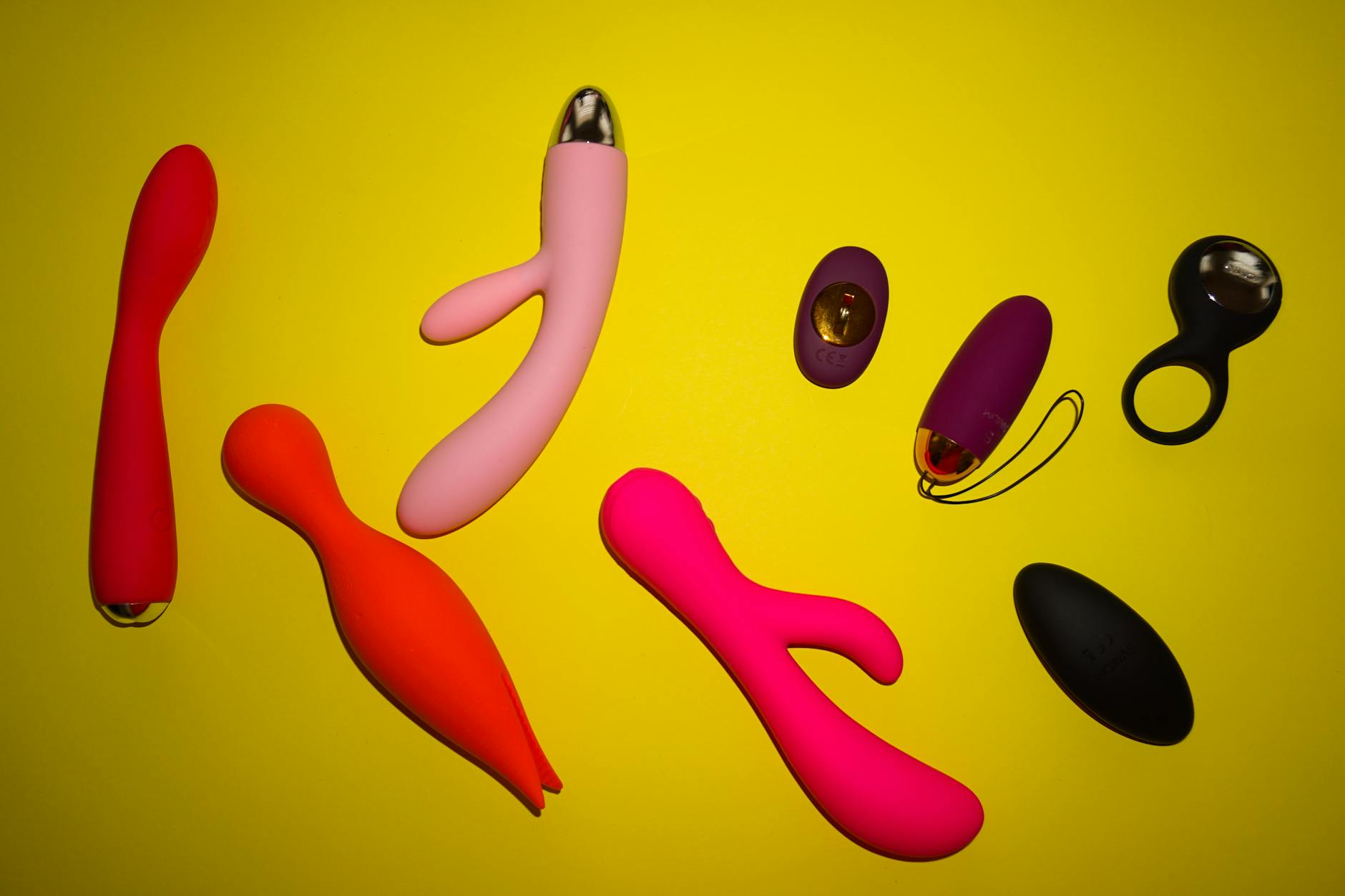
Photo by FounderTips on Pexels
Using it with a partner when your orgasms have changed
This conversation matters more than the toy. Tell your partner what's happening without shame and without apology. "My body's response is shifting, and we need to adjust our approach" is different from "Something's wrong with me."
If they're resistant to toys, a lemon vibrator sometimes feels less threatening because it looks and feels distinct from traditional vibrators. It's not replacing anything. It's adding a new sensation that actually helps you get back to where you want to be.
Show them how to use it on you if you want that. Or use it yourself while they're involved in other ways. Your pleasure during partnered sex isn't about them doing everything. It's about the two of you creating conditions where sensation can happen.
Many couples find that when orgasms start coming back with intensity, the whole dynamic shifts. There's less performance pressure. More genuine pleasure. More trust.
When orgasm changes signal something to address
If orgasms have disappeared completely and aren't coming back after a few weeks of exploration and rest, talk to a doctor. This can be medication related, neurological, vascular, or sometimes emotional in ways that need professional support. That's not weakness. That's wisdom.
If orgasms hurt now when they didn't before, same thing. Get it checked. Pain during climax can indicate pelvic floor dysfunction, nerve issues, or sometimes infection. A pelvic floor physical therapist or gynecologist can rule things out quickly.
If the change happened suddenly after a medication shift, tell your prescriber. Sometimes adjusting the dose or trying something different completely restores sensation.
But if your orgasms feel duller or weaker in a way that crept in gradually, and you're otherwise healthy? This is usually fixable with a change in stimulus, more rest, better stress management, or a combination of all three.
Building back to fullness
Think of this as a recalibration, not a decline. Your body's asking for something new. A lemon vibrator delivers exactly that because it works through an entirely different channel than what you've been using.
The orgasms that come back after this shift often feel different than your old baseline. Sometimes better. Sometimes just more interesting. The specifics don't matter as much as the fact that you're experiencing pleasure fully again.
Consistency matters here. Use the tool regularly enough that your body builds new familiarity with the sensation. Not obsessively, but often enough that it becomes part of your pleasure routine. After a few weeks, most people report that both the quality and intensity of orgasms have shifted noticeably upward.
Your pleasure matters. Full stop. When it changes, you don't just accept it. You explore it, understand it, and get the right support to bring it back. That's not indulgent. That's maintenance.
People also ask
Why do orgasms feel weaker as you get older?
Tissue changes with age, and hormone shifts affect blood flow and nerve sensitivity. But weaker doesn't mean broken. It often means your nervous system needs different stimulus. Many people report stronger orgasms after forty once they discover what their body actually responds to now. A lemon clitoral vibrator often bridges that gap because suction works differently than vibration on aging tissue.
Can medication cause weaker orgasms?
Absolutely. SSRIs, blood pressure meds, antihistamines, and some hormonal contraceptives commonly dull sensation or delay orgasm. Talk to your prescriber about the timing (some meds work better if taken after sex) or switching if it's affecting your quality of life. A lemon vibrator sometimes helps bypass the dampening because the suction mechanism engages sensation differently than traditional stimulation.
How long does it take to feel orgasms intensely again?
Most people notice a shift within two to four weeks of regular exploration with new stimulus. Your nervous system adapts quickly once it gets something genuinely novel. Consistency matters more than duration. Three to five sessions a week usually shows results faster than once-weekly use.
Can stress actually make orgasms feel different?
Completely. Stress tightens your pelvic floor, raises cortisol, and pulls your brain away from sensation. When you're carrying tension, orgasms often feel scattered or localized rather than full-bodied. Taking actual rest, managing stress, and then exploring with a lemon vibrator during calm moments usually brings intensity back.
Is it normal for orgasm intensity to fluctuate?
Yes. Cycle phase, relationship dynamics, stress, sleep quality, how much you've been moving your body, alcohol consumption, how you feel about your partner that day. All of it affects sensation. Some variation is completely normal. But a significant drop that doesn't bounce back is worth exploring and addressing.
What if nothing is working to bring back sensation?
See a pelvic floor physical therapist or a sex-positive gynecologist. Sometimes there's muscle tension, nerve involvement, or vascular changes that need professional assessment. Sometimes the root is emotional or relational rather than physical. Either way, professional support gets you answers faster than self-help alone.