Disconnection is more common than you think
Let's be real. There are seasons in life when your body feels like it belongs to someone else, or maybe to no one. You might notice it during sex, or in the shower, or when you're alone and realize you haven't felt genuinely excited about pleasure in months. This isn't laziness. It's not broken. It's dissociation, and it happens to a lot of people.
Disconnection from pleasure can show up after stress, grief, relationship hurt, or even just years of moving through life on autopilot. Your body is still there. But you're somewhere else entirely.
The good news is that reconnecting isn't about forcing it or pretending. It's about meeting yourself exactly where you are, and then gradually coming back home.
What disconnection actually feels like
Disconnection from pleasure shows up in different ways for different people. Maybe penetration doesn't feel like anything anymore, even though it used to. Maybe you can still orgasm, but there's no joy attached to it. Maybe your mind wanders the entire time, or you feel numb the second things get intimate. Some people describe it as watching themselves from outside their body. Others say it's like they're going through the motions but nobody's actually home.
This is different from low desire, though they can exist together. Low desire is about not wanting something. Disconnection is about not feeling it even when you're trying.
The neuroscience piece matters here. When your nervous system is stuck in a defensive state (hypervigilance, anxiety, chronic stress), your body literally dampens sensation as a protective measure. It's not a personal failing. It's your nervous system being careful.
Why a lemon vibrator helps differently
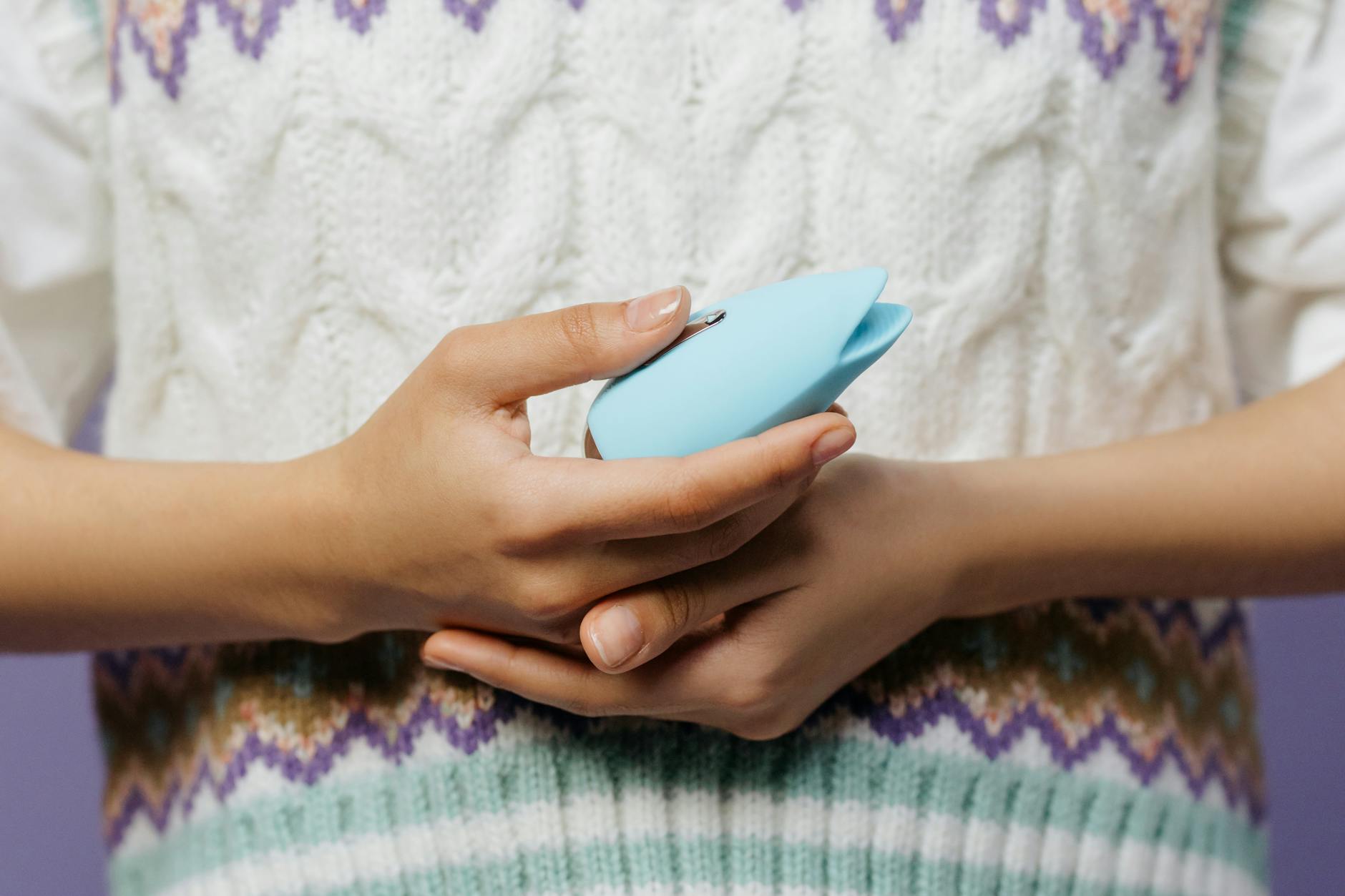
A lemon clitoral vibrator works for reconnection because it interrupts the numbness pattern without forcing anything. Unlike passive stimulation, the lem vibrator's suction technology creates a sensation that's distinctly different from what you might be used to. It's specific, concentrated, and hard to ignore.
When disconnection has made sensation feel muted or distant, a vibrator designed specifically for clitoral stimulation can send a clear signal to your nervous system. It's almost like turning up the volume on what's actually there.
The key is that you're not pushing through numbness. You're creating a new sensory pathway that your brain actually registers. Over time and with patience, this can help your nervous system realize that pleasure is safe again.
Start with the environment, not the toy
Before you even think about using a lemon sucker or any adult toy, make sure your space feels genuinely safe and private. Disconnection deepens when you're worried about being interrupted or judged. Lock the door. Silence your phone. Tell your partner you need an hour alone, if you have one.
Disconnection often lives alongside shame or guilt, so eliminating the external pressure to perform or rush is foundational.
Then set a time when you're not exhausted or rushed. Evenings right after a stressful day won't work. Pick a morning when you feel slightly rested, or an afternoon when there's no clock ticking.
Breathe for two minutes before you touch anything. Not meditation breathing, just noticing: I'm here, my body is here, nothing bad is happening right now.
How to actually use a lemon vibrator for reconnection
Start by exploring without the vibrator on. Hold the lem vibrator, notice its weight and shape. Run it over your forearm or inner wrist. Let your body get curious about it in a low-stakes way.
When you're ready, apply water-based lube. More than you think you need. Disconnection often comes with dryness, physical or emotional, so generous lubrication matters.
Begin on the lowest setting. If the lem vibrator has multiple patterns, start with the gentlest one. Place it against your clitoris, but don't move it aggressively. Let it rest there. Notice what you actually feel, even if it's nothing at first.
This is the crucial part: don't try to feel something. That trying itself is a form of disconnection. Just observe. Maybe you feel buzzing. Maybe you feel pressure. Maybe you feel bored or impatient. All of that is data.
Stay with one sensation for five to ten minutes before you change anything. Your nervous system needs time to recognize that this is safe and pleasurable.
When nothing feels like anything
If you're genuinely not feeling pleasure or sensation even after twenty minutes, stop. That's not failure. That means you need something different today.
Disconnection often requires multiple sessions before sensation returns. Some people report that the first time they feel something real is the third or fourth time they try. Your body is learning to trust again.
Keep a simple note about what you noticed each time, even if it's just "buzzing felt like nothing" or "my mind was quieter today." Tracking this helps you see the pattern shift over weeks, even when individual sessions feel flat.
If weeks pass and nothing changes, talking to a therapist who specializes in trauma or somatic work can help. Sometimes disconnection is deeper than solo exploration can reach, and that's okay.
The role of patience and self-compassion
Reconnecting to your body is not a performance. You're not trying to have an amazing orgasm. You're trying to feel something real, even if it's small.
Most people who've experienced disconnection try to force pleasure back through sheer willpower or more intense stimulation. That usually backfires. Your nervous system tightens further, and the cycle deepens.
Instead, slow down. Use the lemon vibrator gently. Notice texture, temperature, rhythm. Let arousal build if it wants to, or let it stay quiet if that's what's happening. Both are okay.
Some sessions will feel pointless. Some will surprise you. Over time, the brain rewires. The body remembers that pleasure is possible and safe.
Building back into partnered pleasure
Once you've reconnected solo, bringing a partner in requires honesty. Tell them what you're working on. Share that some sessions will feel flat, and that's not their fault or yours. The best partners are the ones who can sit with that without trying to fix it.
If you do want to use a lemon clitoral vibrator together, the same rules apply. Start slow. Use plenty of lube. Let your partner know that you might need to pause if you feel yourself disconnecting. A good partner will ask before they assume.
Sometimes solo reconnection is enough for a season. Sometimes you need both solo time and partnered time. There's no timeline.
When to reach out for more support
If disconnection is tied to trauma, grief, depression, or severe anxiety, using a lemon vibrator alone won't solve it. These are all reasons to work with a therapist or counselor who understands embodiment and pleasure. That's not weakness. That's wisdom.
Similarly, if you notice that reconnection attempts trigger anxiety or dissociation, pause and reach out. Your body might need professional support to feel safe again, and that's completely valid.
You deserve to feel pleasure. That doesn't mean constant euphoria. It means being able to be in your body, notice what's happening, and trust that sensation can bring you joy. Reconnection takes time. But it happens.
FAQ
How long does it take to feel something again with a lemon vibrator?
There's no standard timeline. Some people feel a shift in two or three sessions. Others need weeks. The key is consistency without pressure. Using a lemon sucker once a month won't rebuild the pathway. But two or three sessions a week, even just ten minutes each, typically shows noticeable change within two to four weeks. Track what you notice, even if it's small, so you can see the pattern emerge.
Can disconnection from pleasure be a sign of a medical problem?
Yes, sometimes. Hormonal imbalances, medication side effects (especially antidepressants), and chronic health conditions can all dampen sensation. If you've noticed a sudden shift or if disconnection comes with other physical symptoms, see your GP. They can rule out thyroid issues, medication side effects, or other treatable causes. A lemon vibrator is a helpful tool, but it's not a replacement for medical advice.
Should I tell my partner I'm using a vibrator to reconnect to pleasure?
That depends on your relationship and your comfort level. Some people prefer to reconnect privately first, then share the experience later. Others find that honesty from the start deepens trust. There's no right answer. What matters is that you're not hiding it out of shame. If you do share, frame it as self-care and curiosity, not as dissatisfaction with them.
What if I use a lemon vibrator and feel more disconnected afterward?
Stop using it for a few days. Disconnection can deepen if you're pushing too hard or if your nervous system isn't ready yet. Go back to basics: gentle touch without a toy, maybe just noticing sensation in your hands or feet. If it keeps happening, that might signal that you need support from a somatic therapist or trauma-informed counselor who can help your body feel safe at a deeper level.
Can I use a lemon clitoral vibrator if I have anxiety about my body?
Absolutely. In fact, many people with body anxiety find that the lem vibrator actually helps because it's specific and contained. You're not watching your whole body. You're focusing on one localized sensation. Start in a comfortable position where you feel held. Some people prefer being under covers. Some prefer sitting upright. Whatever lets you feel safe and present is the right choice.
Is disconnection from pleasure a permanent thing?
No. Disconnection is a response to circumstance, not a character trait or permanent state. Your nervous system adapted that way to keep you safe. With time, consistency, and sometimes professional support, it can readapt to pleasure. You're not broken. You're just in a season where reconnection matters more than intensity. And that's exactly what a lemon vibrator can help with.
You're allowed to come home to your body
Reconnecting to pleasure isn't selfish or frivolous. It's one of the ways you say yes to yourself, to being present, to feeling alive in your own skin. The lemon vibrator is just a tool. But it's a tool that meets you where you are and says: your pleasure matters, and your body is worth paying attention to.
If you're ready to explore what reconnection feels like, start simple. Start solo. Start slow. Your body knows how to feel joy again. Sometimes it just needs a little help remembering.
Ready to dive deeper into rebuilding intimacy? How to Use a Lemon Vibrator to Regain Confidence After Sexual Trauma explores reconnection after specific relational wounds. Or if you're working through this with a partner, How to Use a Lemon Vibrator With Your Partner After Infidelity offers real strategies for rebuilding trust together.
Have questions or want to talk through what reconnection might look like for you? Reach out to Hello Nancy. We're here.