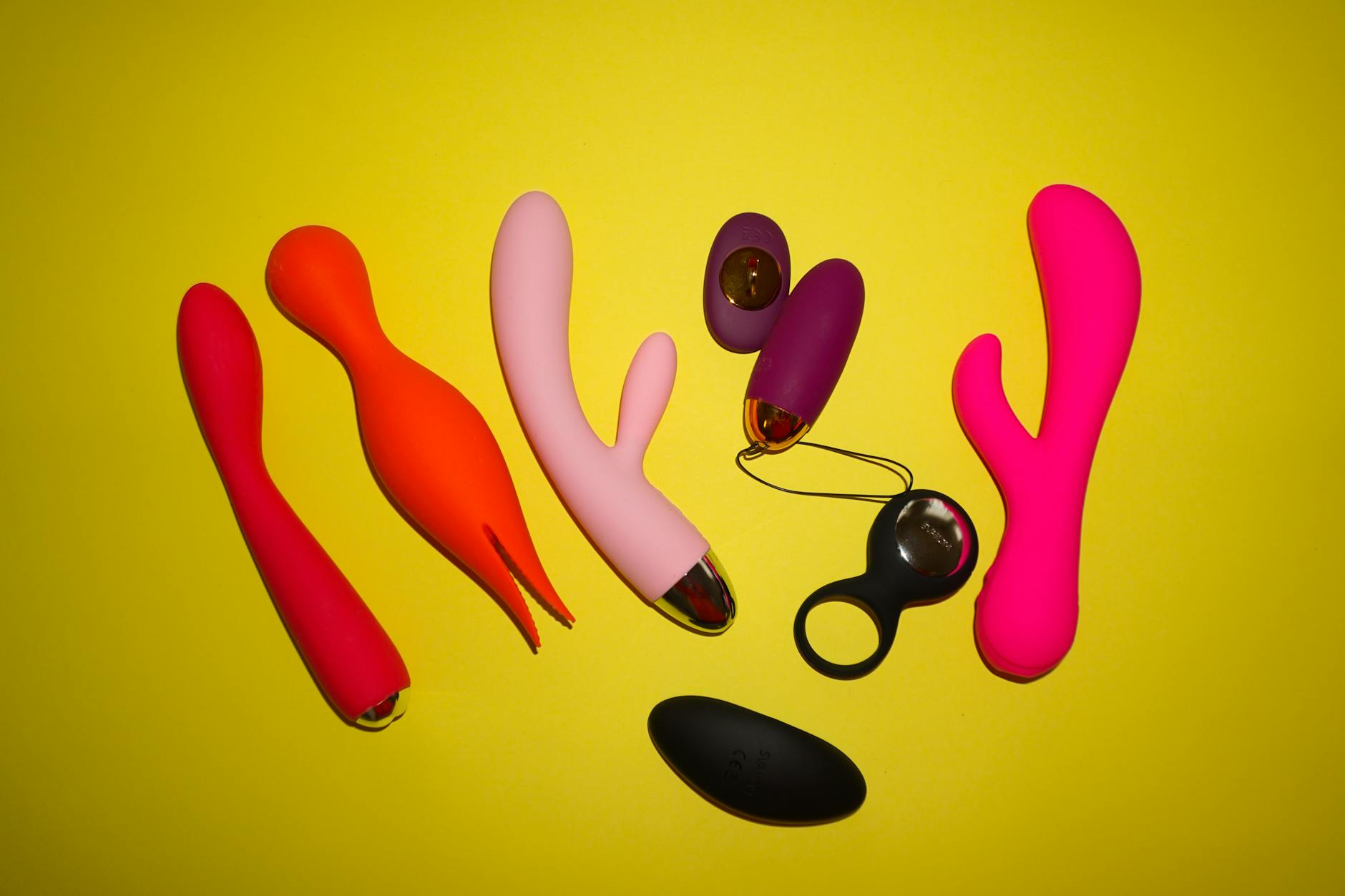
Let's start here: penetration isn't the only path to pleasure
Vaginismus is a real, involuntary tightening of the pelvic floor muscles that makes penetration painful or impossible. If you have it, you've probably been told that penetration is the goal, the endpoint, the "real" thing. That's wrong. And it's kept you from discovering what actually works for your body.
A lemon clitoral vibrator skips penetration entirely. It doesn't ask your body to do anything it can't do right now. And it gives you back something vaginismus often steals: the belief that you can have satisfying, intense pleasure on your terms.
I've worked with dozens of clients navigating vaginismus, and the shift that happens when they separate clitoral pleasure from penetration pressure is profound. You don't have to wait for penetration to be "fixed" before pleasure returns. They're two different conversations.
What vaginismus actually is (and what it isn't)
Vaginismus is a protective reflex. Your pelvic floor tightens automatically when penetration is attempted. It's not psychological weakness, it's not frigidity, and it's not your fault. It's a legitimate muscle response that happens in response to pain, trauma, anxiety, or sometimes for reasons we don't fully understand yet.
The important distinction: vaginismus affects the vaginal opening and internal muscles. It doesn't affect the clitoris, which has its own nerve pathways and sits outside the vaginal entrance. This is crucial because it means a lemon clitoral vibrator can offer you full, genuine pleasure without triggering the reflex at all.
Many people with vaginismus have actually never experienced a clitoral orgasm because they've been focused on trying to make penetration work. When you're in pain or bracing for pain, the neurological pathway to pleasure closes. A lemon vibrator opens a different door entirely.
Why lemon vibrators work particularly well for vaginismus
Three reasons:
First, they're purely external. There's no pressure to accept anything internally. Your nervous system doesn't have to mobilize a defensive response because nothing is approaching the painful area. You stay in a state of relative calm, which is where arousal can actually happen.
Second, the suction pattern on a lemon vibrator stimulates a much broader area than direct vibration would. This dispersed sensation tends to feel less intense and more pleasurable for people whose nervous systems are already in a hypervigilant state. You're not overwhelming an already-activated pelvic floor.
Third, clitoral stimulation increases blood flow to the entire pelvic region, including the vaginal tissues. Over time, regular pleasure practice with a lemon vibrator can actually reduce vaginismus symptoms by downregulating the pelvic floor tension itself. You're not forcing anything. You're just inviting your body to relax through pleasure.
How to actually use a lemon vibrator if you have vaginismus
Start with zero pressure to be aroused. Seriously. The goal isn't an orgasm on day one. The goal is proving to your nervous system that touch can feel good without pain.
Begin in a space where you feel completely safe and private. Wear comfortable clothes you can easily move aside. No ritual needed. No candles required. Just you and the device and zero judgment about what happens or doesn't happen.
When you first touch the lemon vibrator to your vulva, try it on the lowest setting. The external stimulation on the clitoris should feel pleasant, not overwhelming. Spend time at this level. Let your body get used to the sensation. If numbness or anxiety appears, pause. This isn't about pushing through anything.
Gradually explore slightly higher settings only when the lower ones feel genuinely good. You're building evidence that pleasure is safe. That takes time. Some people need five sessions to feel comfortable. Others need fifty. Both are completely normal.
If internal tension appears, notice it without judgment. Your pelvic floor might automatically tighten at first. This doesn't mean something is wrong. It means your nervous system is learning that touch doesn't have to mean pain. Keep the vibrator on the external clitoris. Breathe slowly. The tension will gradually release as your body realizes it's safe.
What happens if you feel pain or panic
Stop immediately. There's no shame in this. Your nervous system is doing exactly what it's trained to do.
Take a few minutes to breathe and settle. Then, ask yourself: was the pain physical (a sharp or burning sensation in the vaginal area) or was it anxiety (tightness, panic, emotional overwhelm)? This distinction matters because the treatment is different.
Physical pain during external clitoral contact is rare with vaginismus, but if it appears, talk to a pelvic floor physical therapist. They can assess whether there's localized vulvodynia or another tissue issue.
Anxiety or panic is more common. If that's what you felt, try again in a few days with even more time spent at the lowest setting. Consider also working with a therapist who specializes in trauma or anxiety if the panic feels bigger than just this moment. Vaginismus often has a psychological component worth exploring.
The relationship conversation (if you have one)
If you're partnered, this is worth naming directly: using a lemon vibrator for your own pleasure is not about your partner's inadequacy or failure. It's about you reclaiming your own nervous system. This distinction prevents shame from creeping in.
Some partners want to participate. Some want to wait in another room. Both are fine. The key is that you get to decide when, how, and with whom this happens. Vaginismus often involves loss of bodily autonomy. Reclaiming that through solo pleasure practice is part of the healing.
When you're ready to involve a partner, that's a different conversation with different pacing. But starting alone gives you baseline evidence that pleasure is possible. That changes everything.
How long before things shift
Sensitivity and comfort usually start improving within 2-3 weeks of regular practice. Regular means 2-3 times weekly, about 10-15 minutes each session. You're not chasing orgasms yet. You're just collecting good sensations.
Orgasms might take longer. Some people have them within a month. Others take 3-6 months. The waiting isn't a sign something is wrong. It's just how nervous system recovery works. Your brain is learning that touch and pleasure are possible. That learning is happening whether or not you orgasm.
Once you're consistently experiencing pleasure with a lemon clitoral vibrator, penetration might feel different. Some people find vaginismus symptoms ease naturally. Others discover they're okay without penetration. Both outcomes are valid.
Working with a pelvic floor specialist alongside this
A lemon vibrator is not a replacement for professional care. If you haven't already, consider seeing a pelvic floor physical therapist who specializes in vaginismus. They can teach you specific relaxation techniques and assess whether other factors are at play.
Mention the vibrator to them. Good therapists understand that pleasure and healing work together. Some will specifically recommend external stimulation as part of your recovery plan.
If you're also dealing with trauma or significant anxiety, a trauma-informed therapist matters too. Vaginismus and trauma often travel together. Addressing both makes the whole process faster and gentler.
What you deserve to know
Vaginismus is treatable. You're not broken. And pleasure is absolutely possible for you right now, not someday when penetration becomes possible.
A lemon clitoral vibrator gives you a way to experience that pleasure safely, on your own timeline, with zero pressure. No performance. No penetration. No proving anything to anyone. Just your body learning, one sensation at a time, that it's safe to feel good.
Start small. Be patient with yourself. You're not trying to fix something. You're rebuilding a relationship with your own pleasure. That's worth the time it takes.
People also ask
Can I use a lemon vibrator if penetration is painful but I still want to try it eventually?
Absolutely. In fact, practicing with a lemon clitoral vibrator can help. Regular clitoral stimulation increases pelvic floor flexibility and reduces overall tension. Some clients find that after a few months of consistent pleasure practice, penetration-related pain decreases or disappears. The key is doing it for your own pleasure first, not as practice for penetration. That mindset shift is crucial.
Will using a lemon vibrator make vaginismus worse?
No. If anything, the opposite. External clitoral stimulation doesn't trigger the vaginismus reflex because nothing is entering the vagina. You're not introducing pain signals. You're introducing pleasure signals in a safe way. Some people find their pelvic floor gradually relaxes more with regular practice.
What if I still have vaginismus after using a lemon vibrator for months?
That's not failure. It means vaginismus has deep roots, possibly trauma, anxiety, or physical factors that need professional attention. A pelvic floor physical therapist and possibly a trauma therapist should be part of your care plan. A lemon vibrator is a tool for pleasure, not a cure for vaginismus itself. They're separate issues, even though they're connected.
Is it normal to feel nothing at first when I use a lemon vibrator?
Completely normal. If your nervous system is in a defensive state, sensation can feel muted or absent. This doesn't mean you're broken or that the vibrator isn't working. It means your nervous system is learning to trust touch again. Keep the practice gentle and regular. Sensation usually emerges over weeks, not days.
Can I use a lemon vibrator if I have both vaginismus and vulvodynia?
Maybe. Vulvodynia (unexplained vulvar pain) and vaginismus sometimes coexist, and sometimes they're separate issues. External clitoral stimulation is often fine even with vulvodynia because the clitoris is rarely the painful area. But talk to your pelvic floor therapist before starting. They can guide you on where stimulation is safe.
Should I tell my partner I'm using a lemon vibrator for vaginismus?
That depends on your relationship and your comfort level. If you're partnered and plan to eventually try penetration together, transparency helps. You could frame it as: "I'm working on my own nervous system and pleasure first. This is just part of my healing." A supportive partner will understand. If your partner responds with jealousy or shame, that's information you need too.
What comes next
If you've tried everything and vaginismus is still making sex painful or impossible, a conversation with your doctor is overdue. A good pelvic floor physical therapist is your next step. And if you want guidance on how to use pleasure tools as part of your recovery, that's something I help clients with regularly.
You don't have to figure this out alone. And you don't have to wait until penetration is possible to experience genuine, satisfying pleasure. A lemon clitoral vibrator can be that gateway. Your body is worth the investment in finding out what feels good.