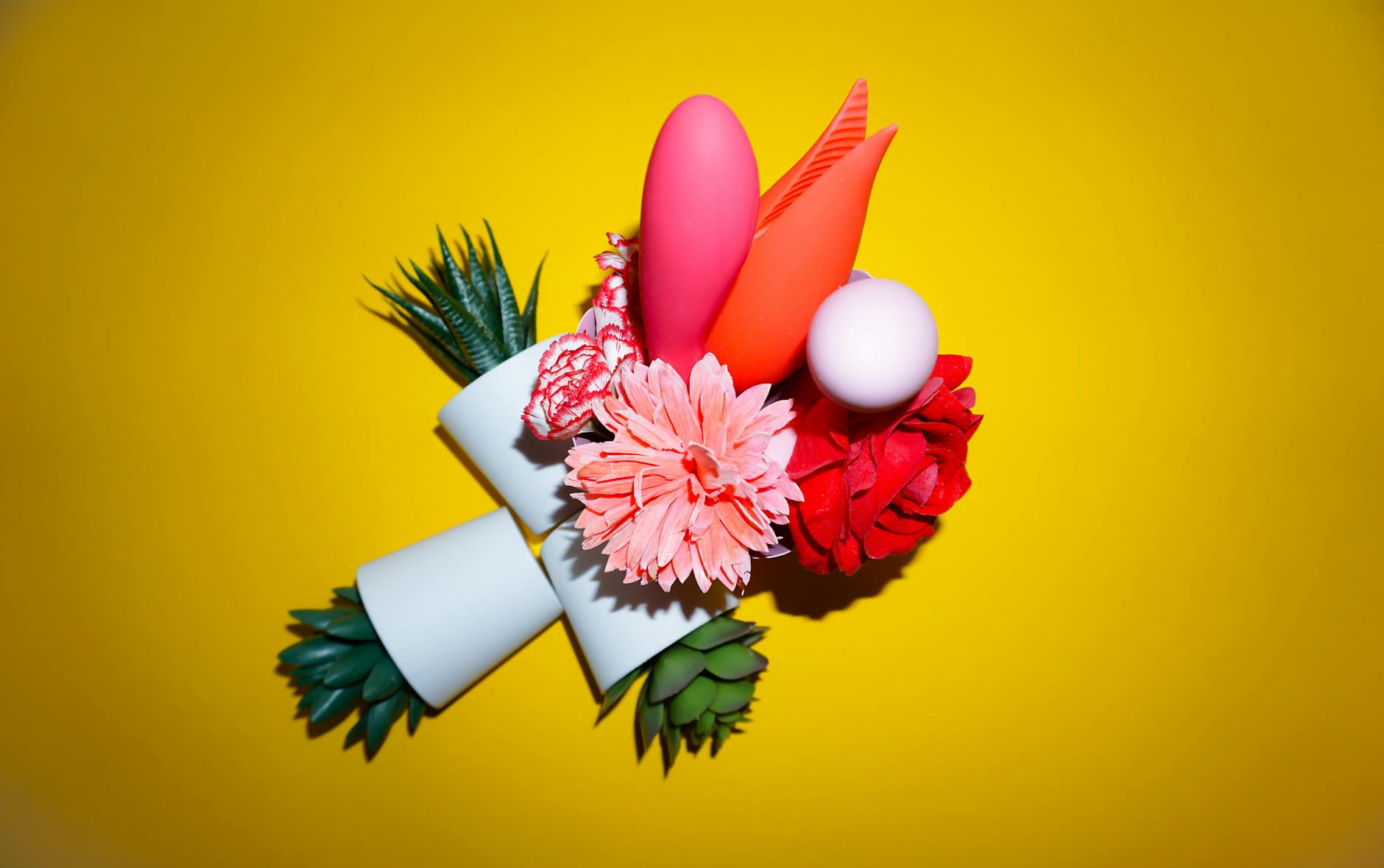
Here's the thing about dryness and clitoral vibrators
Vaginal dryness is one of those experiences that feels like it should disqualify you from using a lemon vibrator. It doesn't. In fact, clitoral vibrators often work better for people with dryness than they do for anyone else, once you know what you're doing. The issue isn't the vibrator. It's friction and pressure, which are completely manageable with the right approach.
Let me be clear: dryness affects the vaginal tissue inside. A clitoral vibrator works on the external clitoris, which is a different anatomy entirely. That said, dryness often comes with hormonal or health changes that also affect tissue quality overall, and that matters. So does sensitivity. Here's how to work with your body instead of against it.
Why dryness happens (and it's not what you think)
Vaginal dryness has three main causes. Understanding which one applies to you makes everything easier.
Hormonal changes are the biggest culprit. Menopause, perimenopause, certain medications like SSRIs or birth control, and hormonal IUDs can all lower estrogen. Estrogen keeps vaginal and clitoral tissue plump and well-lubricated. When it drops, tissue gets thinner and drier. This one's straightforward.
Behavioral dryness is real and often overlooked. If you're not aroused, your body won't lubricate. This happens because of stress, relationship friction, depression, or sometimes just because you're not giving yourself enough time to warm up. The solution here isn't always more lube. Sometimes it's actually less pressure and more foreplay.
Medication and health factors round it out. Antihistamines, some blood pressure meds, chemotherapy, and autoimmune conditions like Sjögren's syndrome can all dry things out. If this is you, check with your doctor before trying anything new.
The reason this matters: if you've got hormonal dryness, you're going to need different support than someone dealing with stress-related dryness. Both get better with lube, but one might also benefit from a conversation with a doctor about estrogen cream or other treatments.
Lubrication is non-negotiable (but pick the right kind)
I'm going to say this bluntly: trying to use any vibrator on dry tissue without lubrication is uncomfortable and can cause micro-tears. Don't do it.
Use a water-based lubricant. Always. Here's why: water-based lube is safe with every toy material, rinses clean, and doesn't get sticky as it dries. Silicone lube feels richer and longer-lasting, but it can degrade silicone toys over time. The clitoral vibrators from Hello Nancy are silicone, so water-based is your best bet.
Apply lube directly to your vulva and the toy before you start. Use more than you think you need. Seriously. Your body isn't making its own lubrication right now, so external lube is doing all the work. Reapply every few minutes if you're having a longer session. There's nothing awkward about reaching down and adding more midway through. Your pleasure is worth a quick pause.
Start lower and slower than you normally would
When tissue is thinner or more sensitive due to dryness, intensity matters differently. The Lem and other lemon clitoral vibrators from Hello Nancy have multiple intensity settings for exactly this reason.
Begin on the lowest setting. Pattern 1. Give yourself 30 seconds to feel what that sensation is like. Your clitoris doesn't need to jump straight to maximum intensity. In fact, when tissue is sensitive, ramping up slowly can produce stronger orgasms because you're building sensation gradually instead of overwhelming nerve endings.
Many people with vaginal dryness find that lower patterns feel more targeted and pleasurable than high ones. The sensation doesn't get lost in roughness. It's just there, clean and clear. If you want to increase intensity, move up one level at a time. You can always go higher. You can't undo a sensation that was too much.
Warm-up time extends (and that's actually good)
Dryness often means arousal takes longer to build. Budget 15-25 minutes instead of the usual 5-10. This isn't a limitation. It's an opportunity.
Use that time to explore what feels good without the vibrator first. Touch your vulva with your fingers. Notice the texture of your skin. Breathe. Fantasize or read erotica. Let your mind catch up with your body. Clitoral vibrators work best when you're already somewhat aroused, and the extra warm-up time gives you that foundation.
When you introduce the lemon vibrator into this extended warm-up, you're building on arousal that's already started. That matters for tissue response and for the intensity of orgasm.
The clitoral angle and positioning technique
The clitoris isn't a single point. It's a complex structure with an external glans and internal branches that extend inside. When you're dealing with dryness, positioning the vibrator thoughtfully changes everything.
Instead of pressing directly on the clitoral glans, try angling the vibrator slightly so it stimulates the sides of the clitoris or the broader clitoral region. This spreads the sensation over a larger area and can feel less intense while still being highly pleasurable. You're using the same vibrator but in a different way.
Experiment with light touch versus firmer contact. Some people with dry tissue find that barely touching the vibrator to their skin feels better than pressing in. The vibration does the work. Your pressure doesn't need to add to it.
When you're using it with a partner
Including a partner means communication becomes part of the pleasure. Not in a clinical way, but honestly. "I'm going to use more lube" or "I need this slower" isn't mood-breaking. It's actually the opposite. Your partner knowing what helps you feel good is foreplay.
If your partner is involved, they can apply lube for you, which adds a whole different element of sensation and intimacy. They can also watch and learn exactly what makes you respond, which means better partnered sex overall, not just vibrator time.
For folks in long-distance relationships, this becomes its own conversation. If you're using the Lem or another lemon vibrator solo while your partner is elsewhere, you get to explore exactly what works for your body on your timeline. That clarity is then something you can share with them later. It's like doing your own research before the real conversation happens.
If dryness is severe or painful, see a doctor
I want to be clear: persistent vaginal dryness that causes pain, burning, or itching isn't something to self-manage forever with lube alone. It's a sign your body needs clinical attention.
Genitourinary syndrome of menopause (GSM), atrophic vaginitis, or other tissue changes are real medical issues. They respond beautifully to treatment: topical estrogen creams, systemic hormone therapy, vaginal moisturizers, or sometimes just addressing an underlying medication. A gynecologist or menopause specialist can help. It takes weeks, not months. And then vibrators feel completely different.
Don't normalize pain as the price of pleasure. It's not.
FAQ: Your questions about lemon vibrators and dryness
Can you use a lemon clitoral vibrator if you have severe vaginal atrophy?
Yes, and often it's one of the better toy choices because you're avoiding internal penetration entirely. That said, severe atrophy usually comes with pain, and that's something to address with a doctor first. Topical estrogen or other treatments genuinely help. Once tissue is healthier, vibrators feel amazing. Rush the treatment phase and you're just layering frustration on top of discomfort. Get the medical support, then explore pleasure.
How much lube should you actually use with a lemon vibrator if you're dry?
More than feels intuitive at first. Start with a quarter-sized dollop on the toy and another on your vulva. This seems like a lot, but remember your body isn't producing its own lubrication right now. The external lube is doing all the work. Reapply every 5-10 minutes during a longer session. Lube isn't infinite, and as it breaks down, friction comes back. Keep a bottle nearby so you're not breaking rhythm to find it.
Does dryness mean you'll need a different vibrator than someone without dryness?
Not necessarily. The Lem and other Hello Nancy clitoral vibrators work for everyone because they're external devices and because they have variable settings. What changes is your approach: more lube, lower intensity, gentler pressure, longer warm-up. The vibrator itself stays the same. It's your technique that adapts.
Can hormonal birth control make dryness worse if you're already dealing with it?
Some birth control formulations can worsen dryness, especially progestin-only methods and hormonal IUDs. If you've noticed dryness got worse after starting birth control, talk to your doctor about other options. Switching to a different formulation or method can make a real difference. This isn't about choosing between contraception and pleasure. It's about finding the right contraception for your body.
Is it normal for dryness to come and go throughout your cycle or season?
Completely normal. Stress, sleep, hydration, and season all affect lubrication. Winter dryness is real. Stressful work weeks are real. Menstrual cycles still influence lubrication even for people not menstruating regularly. This is why having a reliable external lube on hand matters. You're not broken when dryness fluctuates. You're just responding to your environment.
What's the difference between lube and vaginal moisturizers for dryness?
Lubes work temporarily, right when you use them. Moisturizers are meant for daily use and help your tissue hold onto water over time. If you're dealing with chronic dryness, a daily moisturizer like hyaluronic acid-based products can help overall tissue quality, and then lube adds the final layer during sex or vibrator use. They're complementary, not competitive.
The bottom line
Vaginal dryness doesn't mean vibrators are off limits. It means you need better positioning, more lube, gentler intensity, and patience with warm-up. A lemon vibrator works beautifully for dry tissue once you've set yourself up for success. Your pleasure isn't smaller because your body is drier. It's just different, and different can be incredible once you stop fighting it and start working with it.
If dryness is severe or painful, loop in a doctor. Effective treatments exist. And once tissue is healthier, pleasure gets even better. You're not choosing between health and sensation. You're stacking them.