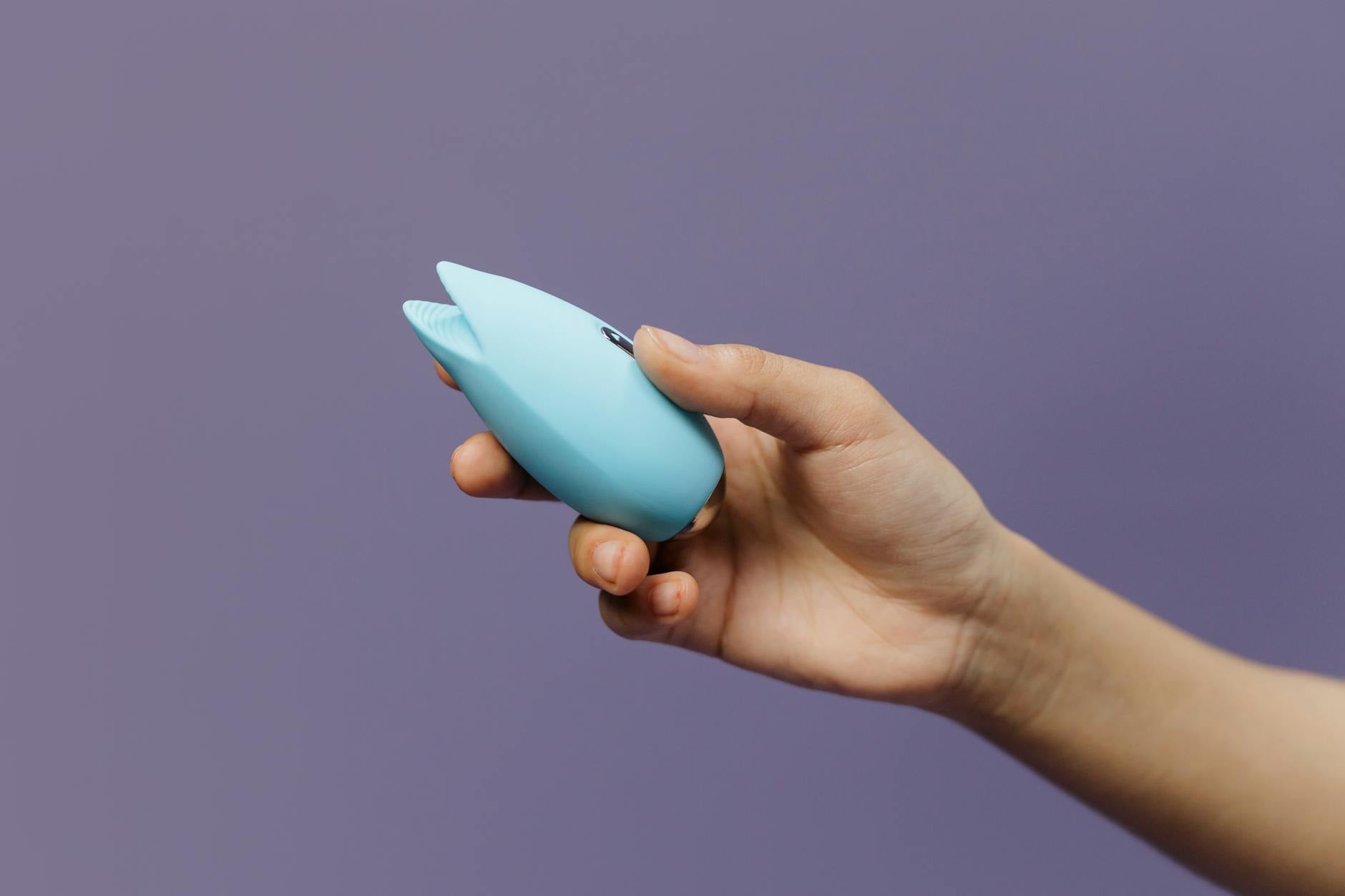
Here's the thing about vibrator desensitization
Almost every person I've worked with who uses a lemon vibrator regularly has had this thought: "Am I wearing out my sensitivity? If I use this all the time, will I eventually stop being able to feel anything?" It's such a common worry that it's practically a reflex. And it makes sense. We live in a culture that treats the body like hardware that degrades with use.
But the evidence doesn't support that fear. What actually happens when you use a lemon clitoral vibrator frequently is more interesting, and honestly, more reassuring than the myth.
The desensitization myth and where it comes from
Let's separate fact from folklore. The idea that vibrators numb you permanently comes from a misunderstanding of how nerve adaptation works. It's true that your nervous system has something called habituation. If you expose your skin to the same stimulus repeatedly without breaks, it stops registering the sensation as strongly. Touch your arm for thirty seconds and you'll stop feeling it.
But habituation is temporary and local. The moment you stop stimulating that spot, the nerves reset. Within minutes to hours, full sensitivity returns. This is baseline neurology, not a sign of damage.
Here's where the myth gets traction: people compare vibrator use to other stimulation and notice they need stronger settings over time. So they assume they're numb. But that's not desensitization of the nerve. That's preference adaptation. Your nervous system learns what patterns feel good and naturally wants more of that same intensity. It's the same reason a song you loved gets less exciting after hearing it fifty times. Your brain stops reacting to repetition, not because you've damaged hearing, but because novelty drives pleasure.
What research actually says about vibrators and sensation
I want to be specific here because this matters. There's been surprisingly limited clinical research on vibrator use and desensitization specifically. Most of what we know comes from sexology studies on long-term vibrator users and some neuroscience about sensory adaptation more broadly.
A 2009 study tracking women who used vibrators regularly found no evidence of permanent desensitization. Users reported sustained ability to orgasm and no loss of clitoral sensitivity when tested. What changed over time was preference. Many reported wanting stronger stimulation or different patterns, but they could still feel subtle sensations when they chose to.
The key difference: wanting something more intense is not the same as losing the ability to feel something gentle.
Your clitoral nerves have roughly 8,000 nerve endings. That density doesn't shrink from vibrator use. What changes is how your brain prioritizes the signal. Regular users often find that lighter touch feels less noticeable because their nervous system has learned to expect and prefer stronger input. But switch back to manual stimulation or a gentler device, dial it down intentionally, and sensitivity returns immediately.
Why some lemon vibrator users report needing more intensity
Three factors at work here, and none of them mean you're broken.
Pattern expectation. Your brain learns that when you pick up the lemon vibrator, you're about to experience a specific intensity and rhythm. When you use it frequently, your nervous system primes itself for that level. Switch to something else and the contrast makes light touch feel less responsive. It's not that you've lost sensation. You've trained your expectation.
The novelty factor. Pleasure relies heavily on novelty. This is true whether you're using a vibrator, having partnered sex, or anything else. The hundredth time you use the same device at the same setting feels less intense than the first time, not because your nerves have died, but because your brain has filed it as routine. Varying your approach (different patterns, different settings, different timing) resets the novelty and usually solves the "I'm not feeling it anymore" problem.
Actual preference shift. Sometimes what feels like desensitization is just discovering what you actually prefer. You start with lower intensity and discover that you like the lem vibrator at a higher setting. That's not numb. That's just knowing yourself better.
How to use a lemon clitoral vibrator long-term without chasing intensity
If you're worried about desensitization or you've noticed you're creeping toward maximum settings, here's what works.
Build in rest periods. The research on sensory adaptation shows that taking breaks from the same stimulus resets your nervous system. You don't need weeks off. A few days to a week between sessions is enough for your sensitivity to recalibrate. This also keeps the experience feeling fresher psychologically.
Rotate patterns, not just intensity. The lem vibrator has multiple pulse patterns. Using the same one every time trains your brain to expect it. Switch patterns week to week or session to session. This provides novelty without increasing intensity.
Pair vibrator use with manual stimulation. Alternating between lemon sexual toys and your fingers or a partner's touch maintains your sensitivity to gentler input and prevents the sensation from becoming one-directional. Your nervous system stays flexible.
Set an intentional session rhythm. Rather than using the vibrator whenever you want a quick orgasm, schedule it into your pleasure practice alongside other forms of stimulation. This frames it as part of a larger erotic repertoire rather than the only tool that works.
Notice what intensity you actually want, not what you think you should want. If you're at setting 4 or 5 regularly, that's not a problem. That's your preference. The red flag isn't using higher intensity. It's feeling like you're forced into escalation because nothing else feels good anymore. If that's you, the solution is rest and variation, not guilt.
The real risk: habit substitution, not nerve damage
Here's what I actually worry about with clients who use any vibrator exclusively for months at a time. It's not physical desensitization. It's that they've stopped exploring other ways their body responds. They've built a neural pathway so strong that other forms of touch feel unrewarding by comparison.
That's solvable. You reset those pathways by deliberately bringing other kinds of stimulation back into your practice. Reintroduce manual touch. Try partnered play if you have a partner. Notice how your pleasure changes. You're not fixing damage. You're expanding your sensitivity toolkit.

Photo by Ron Lach on Pexels
The clitoral nerve system is incredibly resilient. Your body wants to feel pleasure in multiple ways. The only thing that stops it is sustained neglect of other forms of stimulation. But that's a choice you can change anytime.
What about using a lemon sucker vibrator during your cycle
One more piece that ties in here. Some people report that sensitivity feels different depending on where they are in their menstrual cycle. During the follicular phase (after menstruation), estrogen rises and many report heightened sensitivity. During the luteal phase, sensitivity often feels muted, even though the nerve endings haven't changed. That's hormone-driven, not vibrator-driven. You're not desensitized. Your body's chemistry shifted. The solution is patience, not abandoning the device.
If you're curious about how your cycle affects your pleasure specifically, our post on why lemon vibrator orgasms feel different every time goes deeper into the monthly rhythm.
FAQ: Your actual questions about vibrators and sensitivity
Can using a lemon vibrator too often make me unable to orgasm with a partner
No. Orgasm capacity doesn't degrade from vibrator use. What sometimes happens is preference mismatch. If you've trained your nervous system to respond to a specific intensity or pattern, partnered touch might feel slower or less direct. The solution is variation, not cessation. Use the vibrator with a partner sometimes. Take breaks from it intermittently. The clitoral nerve doesn't lose its ability to respond to human touch. Your brain just needs retraining through exposure.
How long does it take for vibrator sensitivity to come back if I stop using it
Habituation reverses within days. True sensory adaptation (if it were actually happening) would reverse within weeks. Most people report that sensitivity feels normal again within 3 to 7 days of taking a break. If you've been using a lemon clitoral vibrator daily at high intensity, take a week off and switch to manual stimulation or lower settings. You'll likely feel a marked difference immediately.
Is there a safe frequency for using a lemon adult toy without numbness
There's no magic number because desensitization isn't the real issue. What matters is variety. Using a lemon vibrator three times a week while also incorporating other stimulation is fine. Using it twice daily in the exact same way might feel less satisfying over time, but that's novelty depletion, not nerve damage. The solution is mixing it up, not using it less.
Can sensitivity loss from vibrator use be permanent
No. There's zero clinical evidence of permanent desensitization from vibrator use. Even long-term daily users report full sensation return after breaks. The nerve endings in the clitoris don't atrophy or die. If you feel numb, it's habituation (temporary) or habit substitution (changeable), both of which reverse with different input.
Should I worry about using a lemon sucker vibrator frequently
Frequent use is safe. What makes a difference is whether you're also experiencing pleasure in other ways. If the vibrator is your only source of orgasm and has been for months, your nervous system might have narrowed its pleasure response. But that's reversible the moment you introduce variety. There's no physical damage happening.
Does vibrator intensity matter for desensitization risk
Intensity itself doesn't cause permanent desensitization. But using the highest setting every single time might accelerate the novelty problem. You feel less response not because nerves died, but because you've trained your nervous system to expect maximum input. Try this: use the vibrator at a lower setting intentionally, or leave a few days between sessions. Most people find sensitivity to their preferred intensity resets quickly.
The actual bottom line
Your body is not a battery that drains. It's a learning system. Using a lemon vibrator regularly doesn't damage your nerve endings or permanently numb you. What it might do is train your nervous system to prefer that specific input. And that's correctable with rest, variation, and intentional exploration.
The fear of desensitization keeps a lot of people from enjoying the tools that actually work for them. Don't let it. Use the vibrator. Notice what intensity and pattern you prefer. Take breaks. Mix it up. Your sensitivity will adapt, not disappear. If you want to talk through your specific concerns or explore how your pleasure has changed over time, let's chat.