
How to Use a Lemon Vibrator with Your Partner (Without Making It Awkward)
Here's the thing. Introducing a toy into partnered sex feels like introducing a third person into the bedroom. Except it isn't. It's just a tool. But your brain doesn't know that yet, and neither does your partner's. So let's talk about it like adults.
The lemon clitoral vibrator is one of the easiest toys to share because it's small, powerful, and fits naturally into most kinds of partnered touch. But "fits naturally" only happens if you've had the conversation first. And that conversation is way simpler than you think.
The conversation that changes nothing and everything
Don't make it a Thing. You're not proposing an experiment or asking permission. You're just mentioning something you've been thinking about.
"I've been curious about trying a vibrator during sex. I think it could feel good for both of us." Done. That's the sentence. It takes seven seconds.
If your partner asks why, the answer is honest: because it feels good, and you want to explore that together. Not because anything is missing. Not because they aren't enough. Because pleasure is worth exploring, and you'd rather explore it with them than alone.
Most partners respond with relief. They've been thinking about it too. Or they're curious. Or they just think it sounds hot. What almost never happens is panic, unless there's a bigger relationship issue underneath the toy conversation. And if there is, you'll want to talk to someone like me before introducing anything new anyway.
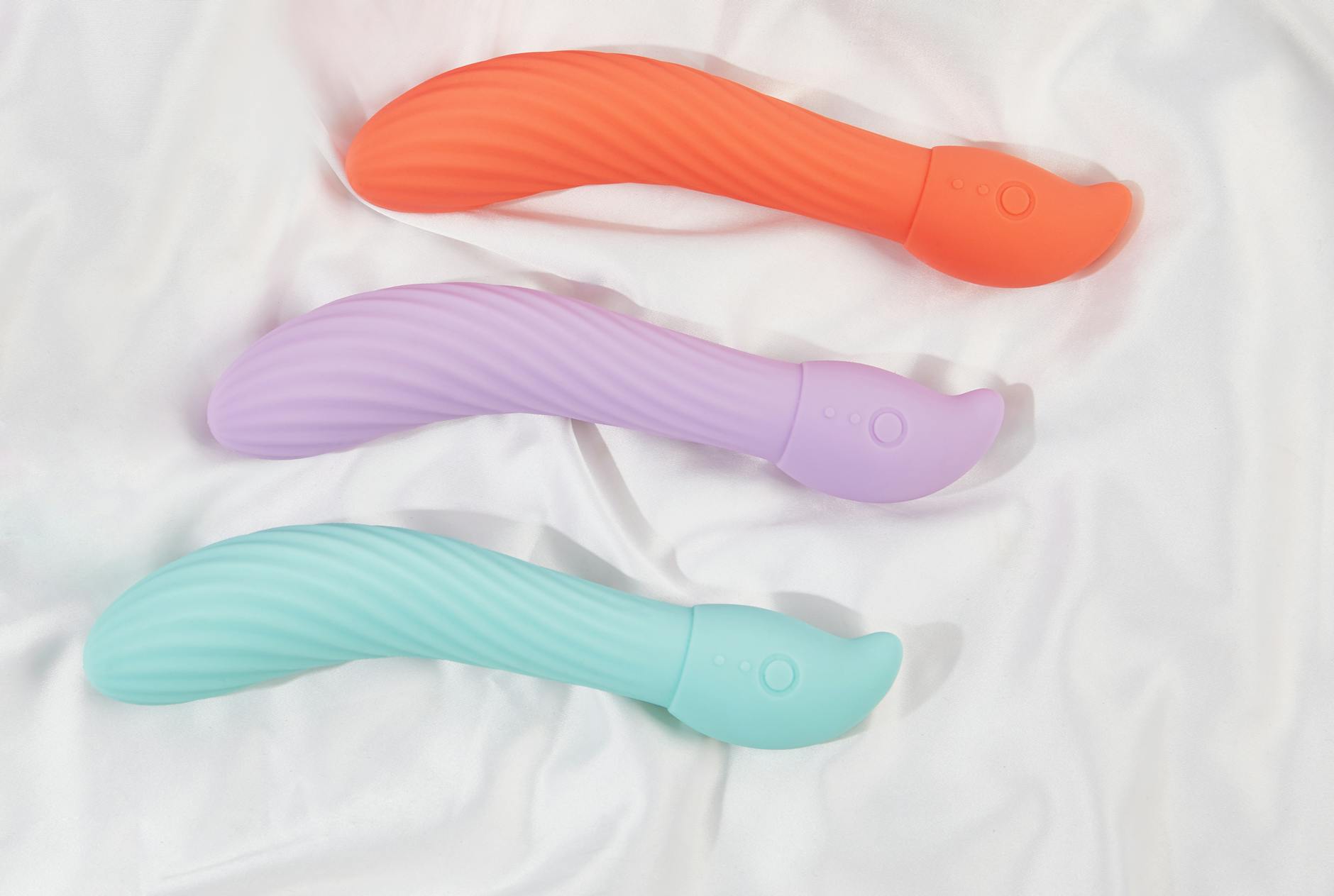
Photo by IFONNX Toys on Pexels
Why the lemon vibrator works so well with a partner
The lemon sucker is designed for external clitoral stimulation, which means it doesn't replace penetration. It complements it. If you're with a partner who has a penis, they can penetrate while you use the vibrator on your clitoris. If your partner has a vulva, one of you can hold it while the other moves.
It's also small enough that it doesn't take up mental real estate. It's not in the way. It doesn't feel like a presence in the room. It's just another layer of sensation.
The air-pulse technology means it doesn't numb like older vibrators do. You can use it for longer periods without losing sensation. And because it's sealed, there's no motor buzz that kills the mood or makes anyone self-conscious.
Basically, the lemon vibrator solves the three biggest fears couples have about toys: that it'll be awkward, that it'll replace the partner, and that it'll feel clinical. It doesn't do any of those things.
Positioning and timing: where the awkwardness actually lives
Most couples introduce toys during foreplay, which is where things can feel stilted. Someone's holding it, someone's being stimulated, someone else is just... waiting. That's the awkward part.
Here's what actually works:
If you have a clitoris and your partner is penetrating: You hold the vibrator. You decide the intensity, the pattern, the angle. Your partner is doing their job. You're doing yours. Nobody's nervous because nobody's dependent on anyone else figuring out the toy.
If you're using the vibrator during mutual oral sex: Your partner uses their mouth on your clitoris, and you start the vibrator on low for a few seconds to see how it feels alongside their mouth. Then back off. Then in again. It's like adding a frequency layer. Your partner feels the sensation through you.
If you both have vulvas: One partner uses the vibrator on the other, then you switch. Or use it simultaneously if you're into that. The key is staying present, not making it feel like a performance.
The biggest timing mistake: waiting until sex is already happening and things are moving fast. Introduce the vibrator during warm-up, when there's time to adjust. Once you've used it a few times, it becomes part of your normal routine and nobody thinks twice.
The roles you might get wrong
Partners often assume that the person using the vibrator should be receiving only. That's not how it works in practice.
If your partner is holding the lemon vibrator on you, they're not passive. They're actively paying attention to your responses, adjusting pressure and pattern, reading your body. That requires focus and presence. It's intimate.
If you're using the vibrator while your partner penetrates, you're not checking out. You're making choices about timing and intensity that directly shape the experience for both of you.
The toy isn't a workaround for connection. It's a tool that requires more attention, not less. Which is why couples who use vibrators often report feeling more connected, not less.
Maintenance and hygiene matter more than you think
You're sharing a toy with someone you're intimate with. Clean it before and after, always. Warm water and a tiny bit of gentle soap. Dry it fully before putting it away.
Lemon vibrators are waterproof, so you can clean them thoroughly without worry. If you're using it during penetrative sex, you might want to use a condom on any fingers or toys that move between external and internal stimulation. It's not a thing you need to announce. You just do it.
Keep it in a clean place. Not the nightstand drawer next to receipts and old tissues. A small pouch or the original packaging works fine.
What to do if one partner loves it and the other doesn't
This is the one scenario that actually requires a conversation. You can't force pleasure. You also can't make someone feel bad for not being into something.
The answer is the same as it would be for any sexual preference difference: this is information, not rejection. Your partner isn't rejecting you. They're saying something about their own pleasure, which is useful data.
Maybe the vibration is too intense. Maybe the sensation isn't working for them. Maybe they feel distracted by it. Maybe they just prefer simpler touch. All of those are valid.
Using the vibrator solo, then incorporating it into partnered sex only sometimes, is totally fine. You don't have to use the same tools every time you have sex. You're not building a career in vibrator use. You're just exploring what feels good.
The long view
Introducing a lemon clitoral vibrator into partnered sex is not a referendum on your relationship. It's not a sign that something's broken. It's actually the opposite. It's a sign that you trust your partner enough to be honest about what you want to explore.
Couples who communicate about pleasure tend to communicate better about everything else too. It's not magic. It's just practice. You get comfortable saying "that feels good" and "I want to try this," and suddenly you're also comfortable saying hard things about money and time and emotional needs.
Start with the seven-second conversation. Go from there.
People also ask
Can you use a lemon vibrator during penetrative sex?
Yes. If you have a clitoris, you can use the vibrator on it while your partner penetrates you. You hold it or your partner holds it. Some people find it's easier during certain positions (from behind, or on top where you can control the angle). Start with lower intensity settings to find what works for your bodies, then adjust.
Does using a vibrator with a partner mean something is wrong in the relationship?
No. It actually suggests the opposite. Couples who introduce toys tend to communicate better about pleasure and desire overall. It's a sign of honesty and curiosity, not dissatisfaction. Many long-term couples use vibrators as a natural part of their intimacy.
What if my partner is uncomfortable with the idea?
Then you don't use it during partnered sex. You can still use it solo. But if your partner is consistently uncomfortable with toys, or if you feel like you can't be honest about what you want, that's a bigger relationship conversation worth having. Consider talking to a couples counselor who specializes in intimacy and sexuality.
How do you keep a lemon vibrator clean when using it with a partner?
Wash it with warm water and mild soap before and after use. Dry it completely. If you're moving from external to internal stimulation, consider using a condom on fingers or any other toys. It's a hygiene practice, not a judgment.
Is it better to buy a vibrator together or introduce one you already have?
Either works. Buying together can be fun if you're comfortable shopping as a couple (online or in person). Introducing one you've already chosen removes some of the pressure and lets your partner see it as something you've thought through. Neither approach is more "right."
How often should you use a lemon vibrator during partnered sex?
As often as it feels good. Some couples use it every time. Some use it occasionally. There's no frequency that's correct. If it stops feeling good, you stop. If it feels good again later, you start again. Your pleasure isn't a schedule.
References and resources
For more on introducing toys into partnered sex, the Gottman Institute offers research-backed guidance on intimacy and communication. The advice in this article is rooted in decades of couples therapy practice and the understanding that pleasure conversations strengthen relationships overall.
If you're struggling with bigger intimacy concerns, reaching out to a qualified sex therapist or couples counselor is always worthwhile. And if you want to explore lemon vibrators further, Hello Nancy's buying guide breaks down different options for different needs, and our intensity levels guide walks you through how to find the right strength for your body.
Your pleasure matters. Your partner's pleasure matters. And the conversation about both is simpler than you think.