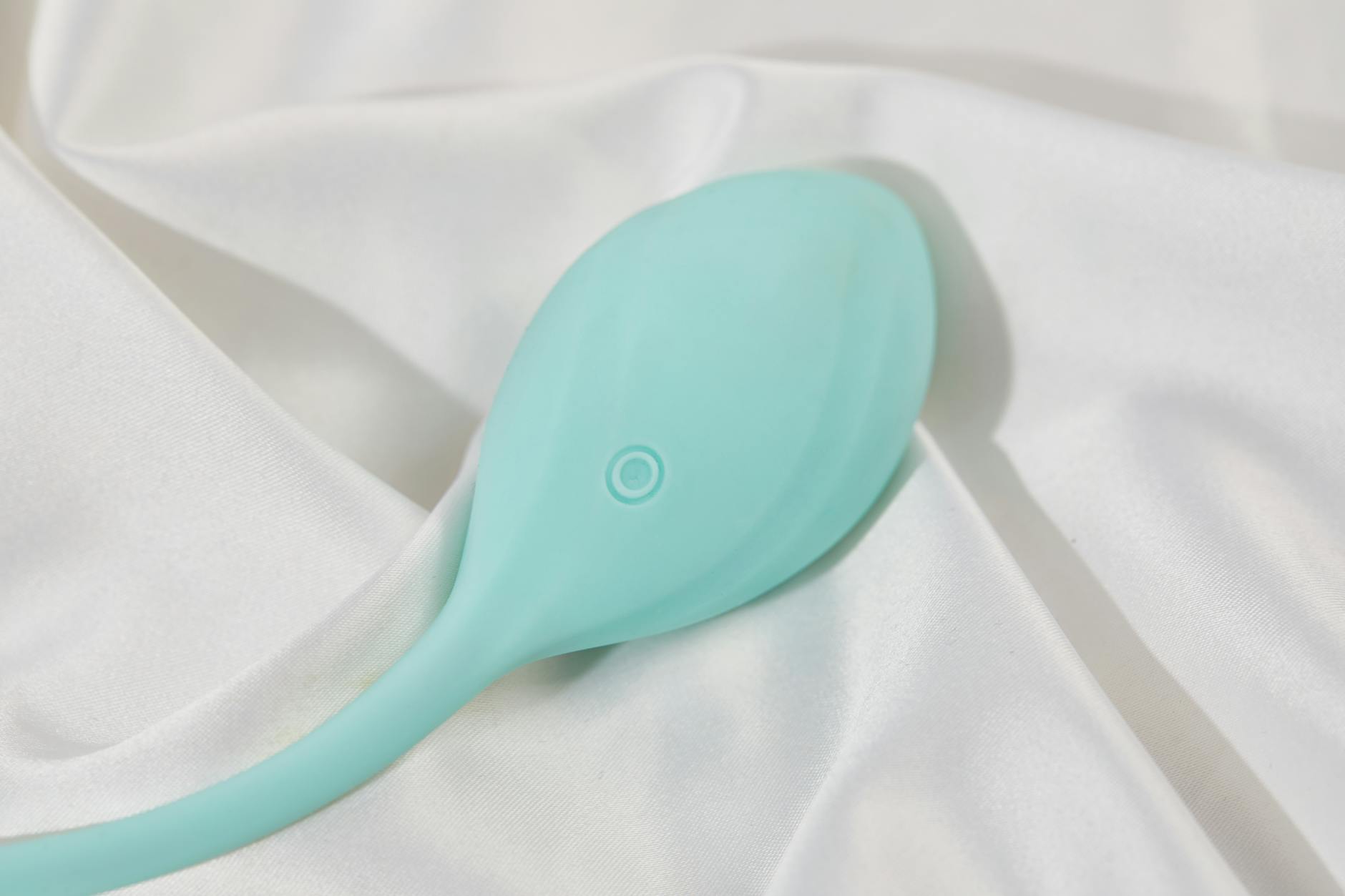
Let's start with the thing nobody says
You reach climax with a lemon vibrator and something feels off. The orgasm itself registers, but it's muted, almost clinical, like the volume got turned down or your nerve endings went quiet. You finish and think: am I desensitized? Is this permanent? Here's the reassuring part. It's almost never permanent, and it's not what you think it is.
Orgasm numbness with a clitoral vibrator comes down to five fixable things. None of them are your body breaking. Most of them are technique or timing.
The difference between sensation loss and sensation change
Desensitization is real. It's also extremely rare in the way people imagine it. True desensitization means repeated stimulus depletes your nerve's ability to fire, period. Neurons need recovery time, and yes, that's a thing. But here's what people usually confuse it with: intensity adaptation.
When you use the same vibration pattern at the same intensity for long enough, your brain learns to filter it out. The same way you stop hearing the hum of your fridge after ten minutes, even though it's still running. Your nervous system isn't damaged. It's just gotten used to constant input at a predictable frequency.
The clitoral vibrator is actually delivering consistent, targeted stimulation. That's its superpower. But consistent can read as dull if the rhythm or intensity doesn't shift.
Why intensity settings matter more than you think
Most people use their lemon vibrator at the same intensity every time. Medium speed, steady pressure, same pattern. Your body expects novelty. When it doesn't get it, the orgasm can feel thin and hollow, even if it's technically happening.
Try this: start at a lower intensity setting than you think you need. Let yourself plateau there for 30 to 60 seconds, building arousal without triggering orgasm. Then jump to a different pattern. Not just faster. Different. A pulsing rhythm instead of constant buzz, or vice versa.
The shift in stimulus rescues the sensation. Your nerves wake back up because they're getting a novel signal. This is not a workaround. This is how pleasure actually works.
The pacing mistake almost everyone makes
Here's the tension. Clitoral vibrators like a lemon sucker feel so reliably good that it's tempting to go straight for the kill. Foreplay, warming up, the slow build? Optional, right.
Wrong. Not because you need romance. But because the body's arousal curve matters. When you jump straight to high intensity, you're asking your nervous system to sprint without a warmup. The initial stimulation feels sharp and loud. By the time orgasm approaches, your nerve endings have already started filtering the signal. Orgasm arrives, but it reads as blunt.
If you ramp intensity gradually over five to ten minutes instead, you create what's called temporal summation. Pleasure compounds. Each wave of stimulation adds to the last one instead of canceling it out. The final orgasm feels rich because your entire arousal trajectory has been layered.
Pressure and angle matter more than vibration speed
Lots of people assume the Lem vibrator should be used directly on the clitoris, pressed hard, same angle the whole time. That's actually one setup. Not the only one.
Try shifting the device slightly so you're getting suction on the clitoral hood instead of the glans. Move it around the external vulva in circles. Use it at a forty-five-degree angle instead of perpendicular. Lighter pressure, not harder.
What you're doing is changing the nerve populations being stimulated. The clitoris has about eight thousand nerve endings, but they're not evenly distributed. Lateral stimulation, hood stimulation, and direct stimulation each recruit different clusters of neurons. If you're always hitting the same spot at the same angle, those specific neurons adapt. The sensation goes numb.
But shift the angle or pressure, and you're now waking up fresh nerves. Suddenly the orgasm feels alive again.
Recovery time is a real thing, but it's shorter than you think
If you masturbate daily with your lemon vibrator using the exact same technique, eventual numbness is possible. Not probable, but possible. Here's the part that matters. Even if it happens, recovery is quick.
Your nervous system's nerve fibers regenerate on a five to seven day cycle. If you take three to five days off from vibrator use and switch up your technique when you return, sensation normalizes. This isn't a repair. It's just novelty.
And honestly, varying your approach benefits you anyway. Mixing in hand stimulation, partnered touch, or different toys keeps your entire arousal system engaged and responsive.
When you might actually need to check in with a provider
If numbness appears only during certain times of your cycle, it might be hormonal rather than neurological. Estrogen levels shift, blood flow changes. That affects how sensitive your tissues are and how quickly arousal builds.
If you're on medication that affects bloodflow or nerve sensation, like some antidepressants or blood pressure meds, numbness could be a side effect worth discussing with your GP. Not because there's anything wrong with your lemon clitoral vibrator, but because your body might need a different approach during that medication window.
If numbness started suddenly and isn't improving with technique changes after a couple of weeks, pelvic floor tension could be the culprit. Tight pelvic floor muscles can dampen sensation the same way clenching your jaw dampens your ability to taste. A pelvic floor physical therapist can help you learn to relax those muscles fully, and sensation usually bounces back quickly.
The biggest ingredient: mental permission
Here's something I see constantly in my practice. People use a clitoral vibrator and experience a shift in sensation, then panic about it. The panic itself creates tension, which makes everything feel more numb. It becomes a feedback loop.
Orgasm isn't just sensation. It's sensation plus cognitive space. If you're worried about desensitization or watching yourself have the orgasm instead of inhabiting it, the experience gets thinner. Your brain isn't fully online.
When you notice numbness, pause for a moment and ask: am I anxious about this? Am I treating the sensation as a performance metric instead of just what I'm feeling right now? Usually the answer is yes. Relaxing that anxiety alone often makes sensation snap back into focus.
What's really happening when orgasms feel flat
Orgasm numbness with a lemon vibrator is almost always one of these: intensity mismatch, predictable rhythm, technique monotony, pacing too fast, or mental distraction. None of those are your body failing. All of them are adjustable.
Your clitoral vibrator isn't making you numb. It's just asking you to pay attention to what you're actually doing with it. And that's not a problem. That's an invitation to get more deliberate, more varied, more present. The sensation isn't gone. It's waiting for you to find a new angle.