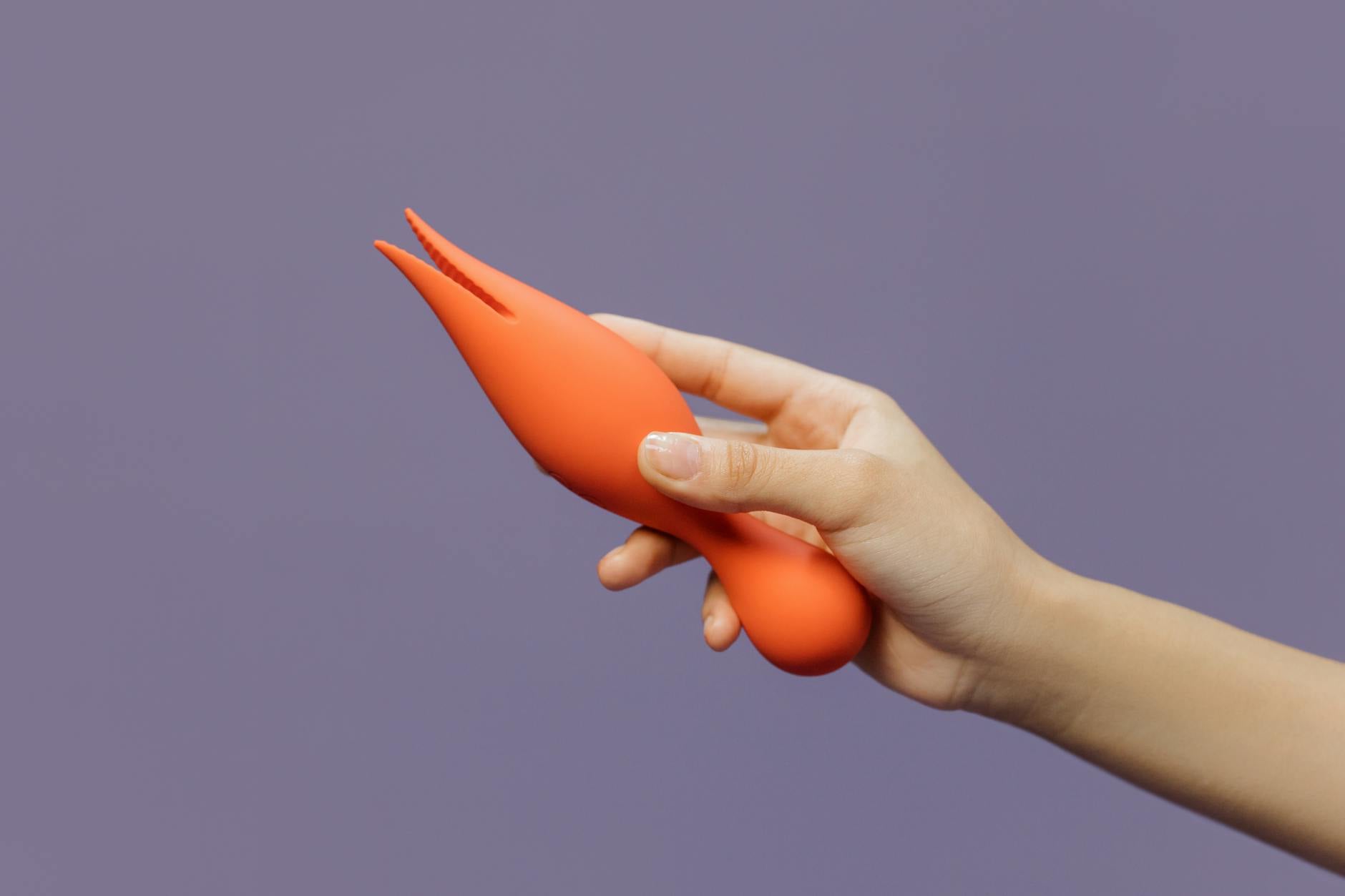
Let's be real: sensitive skin and pleasure don't have to be at odds. If you've been hesitant about lemon vibrators because your skin reacts to everything from new fabric softener to fragrant lotions, I get it. The clitoral area is thin, delicate, and reactive. But that doesn't mean you're ruled out from using a lemon clitoral vibrator safely.
I've worked with plenty of people who thought their sensitivity was a full stop on vibrators. It wasn't. What changed was preparation, material choice, and technique. This is a learnable skill, not a permanent limitation.
Why sensitive skin and vibrators clash
The clitoral area has fewer protective layers than the rest of your skin. It's warm, moist, and full of nerve endings. That's why it's so sensitive to pleasure. It's also why irritation happens faster than it would elsewhere on your body.
When you introduce a vibrator, you're adding several stimuli at once: friction, vibration, potentially new materials, and sometimes lube residue or toy coatings your skin hasn't encountered before. For people with sensitive skin, this can trigger itching, redness, or a burning sensation within minutes.
The good news: most of this is preventable. And a lemon sucker like the Lem is actually gentler than you might think, because suction-based stimulation distributes pressure differently than direct contact vibrators.
Check your lube first (seriously, it's 60% of the battle)
Here's what I tell every sensitive-skin client: swap your lube before you swap your toy. Water-based lubricants aren't all equal. Some contain glycerin, which can feed yeast and cause irritation in sensitive people. Others have propylene glycol, which triggers reactions in about one in five people with reactive skin.
If you've had itching or burning after using toys, suspect the lube first.
Your safest bets:
- Pure aloe-based lubes (Sliquid Natural, Hyalo Gyn)
- Hypoallergenic, fragrance-free water-based (Coconu, Lioness)
- Coconut oil (if you're not prone to yeast infections)
- Organic, paraben-free options (Good Clean Love)
Test a tiny amount on your forearm first. Wait 10 minutes. If there's no redness or itch, you're probably good.
Material matters more than you think
Most lemon vibrators, including the Lem, are made from medical-grade silicone. This is actually ideal for sensitive skin because silicone is non-porous, hypoallergenic, and doesn't harbor bacteria the way some other materials do.
Silicone also doesn't degrade easily from lube, sweat, or normal wear. That means less off-gassing of irritating chemicals over time.
Here's the catch: cheap silicone dyes or coatings on lower-quality vibrators can be the culprit. If you're exploring lemon sexual toys and sensitive skin together, stick with well-reviewed brands that publish their material specs. Hello Nancy's toys are all medical-grade silicone with no hidden coatings.
How to prep your body before using a lemon vibrator
Prep work is unsexy but essential if your skin is reactive.
One day before: Avoid any new skincare products, douches, or scented products in the genital area. Skip your regular exfoliant or body scrub if it's harsh. Your skin is going to need a calm baseline.
A few hours before: Take a warm (not hot) shower. Warm water opens your pores and softens tissue, which means the vibrator won't create as much friction. Pat dry with a clean towel. Don't air dry, because moisture lingering in fold areas can create a breeding ground for irritation.
Right before: Apply your tested lube generously. I mean more than you think you need. Friction is the enemy of sensitive skin, and extra lube is your ally. If it feels too wet, you're doing it right. The clitoral area isn't like a vagina. More lube here means more comfort, not less sensation.
Starting with a lemon sucker if you're new to vibrators
If you're a first-time vibrator user with sensitive skin, a lemon clitoral vibrator like the Lem is a smart starting choice because suction distributes sensation differently than traditional vibration.
Instead of buzzing against your skin, suction creates a gentle pulse that pulls slightly. This means less direct friction and less risk of that raw, overstimulated feeling that sensitive skin can get from constant vibration.
Start on the lowest setting. I know it's tempting to jump to level three or four, but your skin needs to acclimate. Spend 5-10 minutes on level one. See how your body responds. If there's zero irritation after that window, you can move up.
Don't exceed 15 minutes on your first session. Your tissue needs recovery time. Overuse causes micro-tears that feel fine during the moment but turn into irritation later.
During use: technique tips for reactive skin
Position matters. Don't place the toy directly on the clitoral glans if you're feeling extra sensitive that day. Instead, aim for the hood or the surrounding tissue. You'll still get sensation, but with less direct pressure.
Keep moving. Static contact with the same spot for more than a few minutes can cause friction burns. Let the vibrator roam, or use your hand to shift position every 30 seconds or so.
If you feel any burning, itching, or rawness, stop immediately. This isn't "no pain, no gain." Pain is information. Your skin is telling you something isn't working. You haven't failed. You've just found a threshold.
After you're done: the care that prevents delayed irritation
Irritation doesn't always happen during use. Sometimes it appears 2-6 hours later as redness, tenderness, or itching. This is usually caused by residual lube breakdown, sweat, or minor microtears that become inflamed.
After you finish: Rinse gently with warm water (no soap unless you're going longer than a few hours). Patting dry is better than rubbing. Apply a barrier cream if you have one. Something plain and fragrance-free like CeraVe or Aquaphor works. Avoid anything with essential oils, alcohol, or scent.
Wear breathable underwear for the rest of the day. Cotton is your friend. Tight synthetic fabrics trap heat and moisture, which creates the perfect environment for irritation to bloom.
When to skip the vibrator (and what to do instead)
Some days are just not vibrator days. During your period, if you have an active yeast infection, or if you're already experiencing irritation from something else, take a break. Using a vibrator when your skin is compromised is like running in new shoes while you have a blister.
On those days, consider non-vibrating options. Hands-on exploration, air-suction toys on the lowest setting, or partnered touch can all provide pleasure without the added stimulation your skin can't handle right now.
Troubleshooting common reactions
If you do experience irritation despite all this prep, here's what usually caused it:
Itching or yeast-like symptoms after every use: Swap the lube. Glycerin and propylene glycol are the usual culprits. Try an aloe-based lube for three uses and reassess.
Burning immediately during use: You might need more lube, lower settings, or shorter sessions. Try increasing lube volume first. That solves about 70% of immediate burning.
Rawness that lingers for hours: You've probably overdone it. Reduce session length to 8-10 minutes and take two days off between uses. Your skin needs recovery time while it adjusts.
Redness but no other symptoms: This is usually just hyperemia, the normal flushing that happens when you increase blood flow to the area. It fades within an hour. If it lasts longer than two hours or is accompanied by soreness, skip the next session.
If irritation persists after a week of trying these adjustments, check in with a gynecologist. Sometimes sensitivity signals something else going on, like a mild infection or a skin condition that needs attention.
FAQ
Can I use a lemon vibrator every day if I have sensitive skin?
Not when you're first starting. Give yourself at least one day between sessions for the first month. Once your skin adjusts and you're not experiencing any irritation, daily use is usually fine. Just keep using generous amounts of lube and keep sessions under 15 minutes. Your skin needs recovery time even when it's not reactive.
Is a lemon sucker better for sensitive skin than a regular vibrator?
It can be. Suction-based toys like the Lem distribute sensation and pressure more evenly than direct-contact vibrators, which means less friction and less risk of that raw feeling. But every body is different. Some sensitive-skin folks love lemon clitoral vibrators, others prefer wand-style toys on low settings. Test and trust what your body tells you.
What if I'm allergic to silicone?
True silicone allergies are extremely rare, but they exist. If you suspect a silicone allergy, ask for a patch test with your dermatologist before buying. If it's confirmed, glass or stainless steel toys are your alternative options. Both are hypoallergenic and durable. Hello Nancy makes silicone toys, so you'd want to explore other brands if silicone is ruled out.
Can I use my lemon vibrator with a condom if my skin is sensitive?
Technically yes, but it's not ideal. Condoms add friction and reduce sensation, which means you might be tempted to turn up intensity or use it longer than you normally would. That defeats the purpose of careful, sensitivity-aware play. It's better to make sure your toy is clean and your partner's hands are clean if you're sharing.
How long does it take for my skin to adjust to vibration?
About two to three weeks of regular use, assuming no irritation during that period. During this time, stick to low settings and short sessions. You're essentially asking your nerve endings to learn a new sensation. That takes time. Some people adjust faster, some slower. Patient is faster than aggressive here.
What's the difference between sensitivity and an actual allergy?
Sensitivity causes redness, itching, or burning that resolves within a few hours and doesn't get worse with repeated exposure. Allergies cause swelling, hives, blistering, or a reaction that intensifies each time you use the toy. If you think you have an allergy rather than sensitivity, stop using the toy and see a dermatologist. But honestly, most people think they have an allergy when they actually just need different lube and better prep.
Having sensitive skin doesn't mean you're locked out of pleasure. It just means you're building the skill of listening to your body, adjusting as you go, and finding what works for you specifically. That's not a limitation. That's self-knowledge. And that makes everything better.